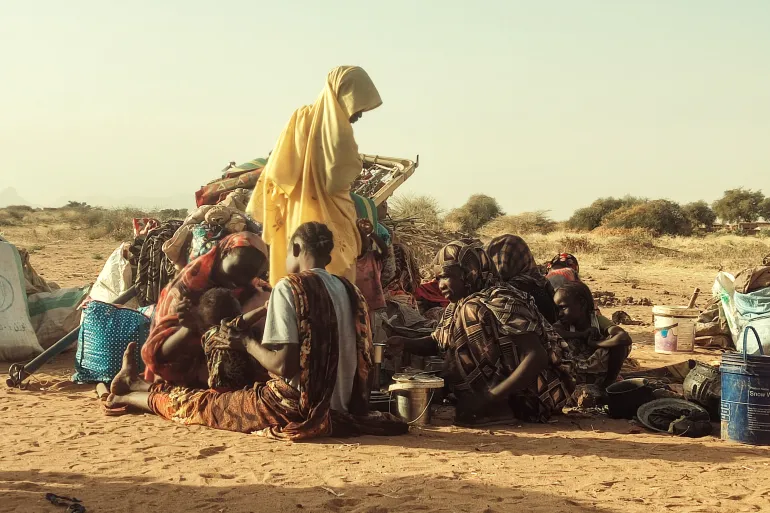

NAIROBI – The U.N. Food and Agriculture Organization (FAO) has warned that food security conditions in Sudan could deteriorate further in the coming months as displacement, insecurity and adverse climate conditions compound pressure on farming and pastoral communities, calling for urgent funding to protect food production and livelihoods.
Rein Paulsen, director of FAO’s Office of Emergencies and Resilience, said humanitarian organizations have the expertise and plans needed to respond but lack the funding required to scale up interventions.
Paulsen spoke from Nairobi following a visit to Khartoum, White Nile and Sennar states, where he met farmers, pastoralists and fishing communities, including people who had returned after displacement to find productive assets damaged or lost.
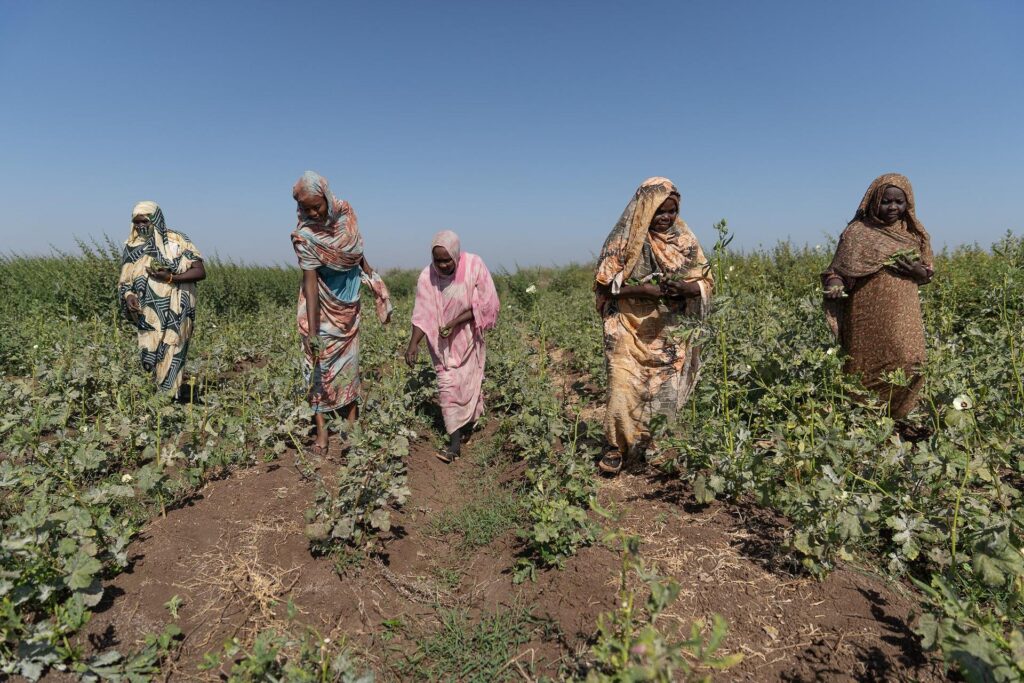
He said many families were trying to rebuild their livelihoods under extremely difficult and uncertain conditions and stressed that supporting local agricultural production could provide both food and income while reducing dependence on humanitarian assistance.
Near Al-Jabalain in White Nile state, FAO last year provided five goats each to households headed by women and mothers, aiming to improve access to milk and nutrition while allowing families to sell livestock or animal products to meet other essential needs.
Paulsen said families he met reported that their herds had at least doubled since receiving the assistance, despite selling some animals in the meantime.
FAO also pointed to its seed distribution programme as an example of the potential return from agricultural assistance.
Paulsen said FAO and its partners invested about $17 million in seed distribution, helping farmers produce an estimated more than $500 million worth of sorghum, equivalent to a return of roughly $30 for every dollar invested, according to the agency.
He said such interventions should be placed at the center of Sudan’s humanitarian response, particularly when they can be delivered in time for critical planting periods and help families restore their own productive capacity.
Climate conditions are adding another layer of concern. FAO data cited in September showed that the June-to-September 2026 rainy season brought below-average rainfall across much of Sudan’s agricultural areas, with significant deficits in key producing regions affecting crop germination and establishment.
Paulsen said FAO had developed anticipatory plans in Sudan as part of a joint response with the World Food Programme (WFP) aimed at millions of people at risk of worsening food insecurity.
The agency has also launched a national livestock vaccination campaign, beginning in Khartoum state, with plans to reach around 9 million animals, alongside efforts to improve animal nutrition.
Other interventions include distributing drought-resistant seeds, supporting local irrigation systems and providing cash assistance to highly vulnerable households.
Funding, however, remains a major constraint.
Figures cited by FAO indicate that one 2026 response plan requires about $193 million for interventions across Sudan’s 18 states, while only about $44 million, or roughly 23%, had been received.
Separate FAO figures published in September put its broader 2026 funding requirement for Sudan at $230.5 million to assist about 2.465 million people.
The agency has warned that Sudan continues to face severe levels of acute food insecurity, with 14 areas in Darfur and Kordofan facing a risk of famine under the worst-case scenario.
The war, which began in April 2023, has disrupted livelihoods, damaged productive and economic infrastructure and restricted access to markets and humanitarian assistance. Displacement and climate pressures have further weakened the resilience of farming and pastoral communities.
Paulsen said rebuilding Sudan’s food and agriculture system would take time and sustained support, but early interventions in crops and livestock could prevent deeper losses and help families regain the ability to support themselves.