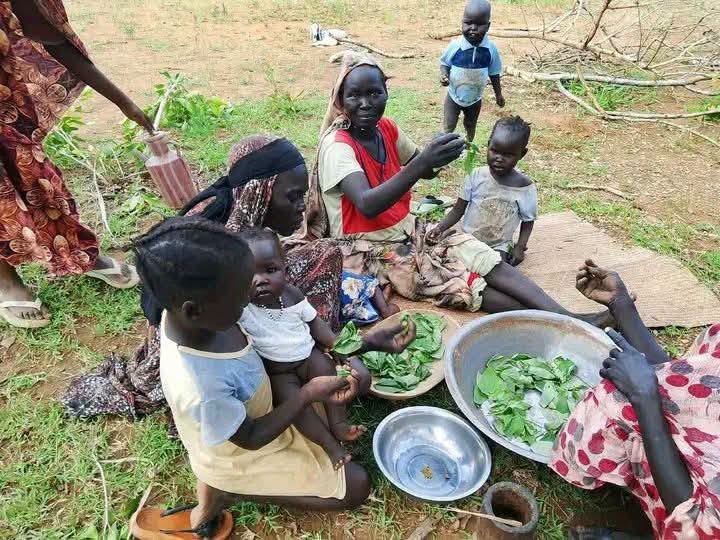
BLUE NILE – More than 45,000 displaced people in Sudan’s Blue Nile region are facing acute food shortages, with some reportedly resorting to eating tree leaves, while field accounts indicate repeated deaths among pregnant women amid severe shortages of medicines and access to health care, a local civil society group said.
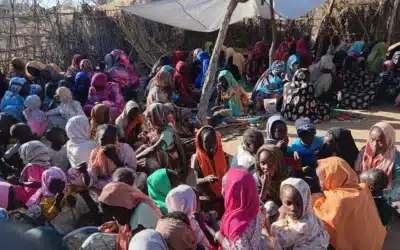
The Blue Nile Civil Society Initiative said the displaced had fled Khawr Hassan, Keren Keren and Balbonq for the Balanq area in Kurmuk locality, where families are living in difficult conditions and struggling to obtain food and other basic necessities.
The group said field reports indicated that hunger had forced some displaced people to rely on leaves for food. Sudan Now could not independently verify those accounts or the scale of the reported food shortages.
The initiative also warned of a deteriorating health situation, particularly for pregnant women, citing repeated deaths in some areas because of shortages of medicines, maternity and emergency services and difficulties reaching medical facilities.
It did not provide a specific number of deaths or identify the period in which they occurred.
In Wad al-Mahi, the group said field estimates indicated that more than 25,000 displaced people from Qeisan were sheltering alongside people displaced from other areas, amid severe shortages of essential supplies.
The initiative said the number of people needing assistance exceeded 100,000 across several locations, including Abu Qami, Dandan al-Azaza, Dandan al-Sheikh Shira Abli, Dar al-Aman, Babanusa and Abu Ashar. It did not clarify whether those estimates overlap with the other displacement figures cited in the statement.
The group said the crisis extends beyond food shortages, with displaced communities also lacking safe water, shelter, medicines and reliable access to health facilities.
It called for roads to be opened for humanitarian convoys, patients and medical personnel, warning that restricted access was worsening risks for people requiring emergency treatment and maternity care.
The initiative appealed to the parties to the conflict, Sudanese authorities, the United Nations, humanitarian organizations, donors and the African Union to act urgently to protect civilians and facilitate unrestricted humanitarian access.
It also called for an end to military operations in affected areas and for additional funding to provide food, water, shelter, medicines, emergency and maternity services, referrals and other essential assistance.
The group urged greater documentation of the conditions facing displaced and stranded civilians and called for accountability where humanitarian access or civilian protection is obstructed.