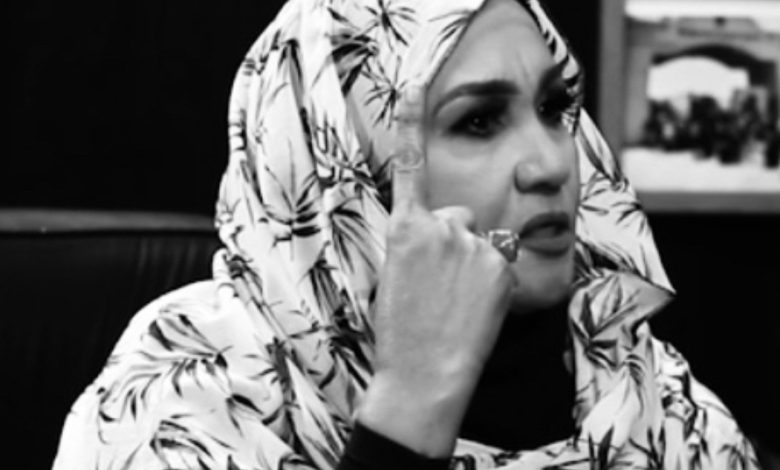
KHARTOUM – A Sudanese cybercrime court has postponed the trial of journalist Hanan Abdel Hamid, known as “Umm Waddah,” for one week after equipment needed to display video and documentary evidence was found unavailable, according to sources familiar with the proceedings.
The equipment was reportedly among items looted during the war. The court set Oct. 22 for the next hearing.
The case stems from complaints related to Abdel Hamid’s published material, including one filed by Culture and Information Minister Khalid al-Aiser.
Sources said al-Aiser offered to provide alternative equipment so the evidence could be presented, but the court declined the proposal.
The judge also raised the possibility of an amicable settlement between the minister and the journalist, but al-Aiser rejected the option, according to the same sources.
Sudan’s Cybercrime Prosecution had previously ordered Abdel Hamid to surrender in July in connection with a case brought under Articles 24, 25 and 26 of the Cybercrime Law. She later appeared before prosecutors in August for questioning over the complaints against her.
The proceedings have renewed debate over the use of Sudan’s cybercrime legislation in cases involving journalists and published criticism.
Press freedom advocates have long raised concerns that broadly worded provisions governing online content and reputation can be used in disputes that would otherwise fall within civil defamation or media law, potentially exposing journalists to criminal prosecution.
Critics argue that such cases can encourage self-censorship, particularly when reporting involves public officials, alleged corruption or other matters of public interest.
In May 2026, the Justice Committee said violations against journalists in Sudan included arbitrary detention, enforced disappearance and legal prosecution, warning that such pressures were affecting the media’s ability to report and scrutinize authorities.
The Committee to Protect Journalists and the Sudanese Journalists Syndicate have also documented a worsening environment for media workers since the war began in April 2023, including killings, detention, threats and restrictions on reporting by parties to the conflict.
Press freedom groups generally argue that journalists remain legally accountable for what they publish, but say laws governing expression should be clearly defined, penalties proportionate and fair-trial guarantees protected.
They also stress the importance of distinguishing professional journalism and public-interest reporting from genuine cybercrime.
Details of the evidence that was due to be presented in Abdel Hamid’s case have not been made public, and the legal basis for the court’s refusal to use alternative equipment was not immediately clear.
Neither side had issued a detailed public account of the proposed settlement at the time of publication.
The case is expected to resume on Oct. 22 amid continued debate over the boundaries between legal accountability for published material and protections for press freedom in Sudan.