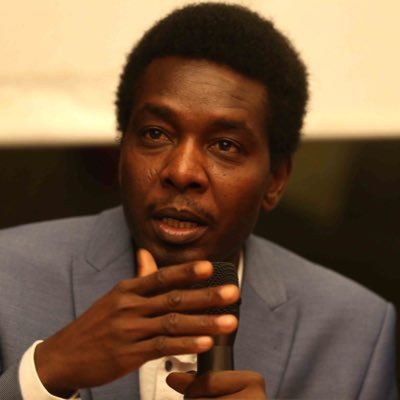

KHARTOUM – Darfur Governor Minni Arko Minawi has called for the victims of atrocities in El Fasher, El Geneina and Zamzam camp to be remembered and for those responsible to be held accountable, warning that silence could erase evidence and deepen a culture of impunity.
In a statement titled “October Massacre — El Fasher, a Memory That Never Dies,” Minawi said the events in the North Darfur capital should be remembered alongside killings and abuses in El Geneina and Zamzam, arguing that the victims’ experiences must remain part of Sudan’s national memory.
His statement comes as the first anniversary approaches of the Rapid Support Forces’ (RSF) final offensive on El Fasher in late October 2025, which ended an 18-month siege and brought the North Darfur capital under the paramilitary group’s control.
A U.N. investigation published in February 2026 documented more than 6,000 killings during the first three days of the RSF offensive. It estimated that at least 4,400 people were killed inside El Fasher and more than 1,600 others along escape routes as civilians fled the city.
The U.N. Human Rights Office said the violence included mass killings, summary executions, sexual violence, abductions, torture, disappearances and attacks on civilians based in some cases on ethnicity or perceived affiliation. It said the documented violations amounted to war crimes and could constitute crimes against humanity.
Minawi said El Fasher had remained under siege despite repeated international warnings and appeals for the protection of civilians, and argued that the failure to enforce those demands contributed to the scale of the suffering.
The U.N. Security Council adopted Resolution 2736 in June 2024, demanding that the RSF halt its siege of El Fasher and calling for an immediate end to fighting in and around the city, the protection of civilians and safe humanitarian access.
The siege nevertheless continued into 2025, progressively restricting access to food, water, medicine and humanitarian assistance before the RSF launched its final assault in late October.
Minawi referred to attacks on religious leaders, community figures, medical facilities and shelters for displaced families as examples of the violence experienced by civilians before the city fell.
Among the deadliest incidents was an attack on the Dar al-Arqam displacement centre in October 2025. At least 57 civilians, including women and children, were reported killed after drone and artillery strikes hit the shelter in El Fasher’s Daraja Oula neighbourhood.
UNICEF said at least 17 children, including a seven-day-old infant, were among those reported killed in the attack.
The Saudi Hospital, then one of the last major functioning medical facilities in El Fasher, was also repeatedly hit during the final weeks of the siege. U.N. officials reported dozens of civilian deaths and injuries in attacks on the hospital and surrounding areas in early October 2025.
The final assault brought even greater violence. U.N. investigators later documented executions of civilians inside the city and along routes leading toward Tawila and other areas, with survivors reporting that people attempting to escape were intercepted, shot or forced back.
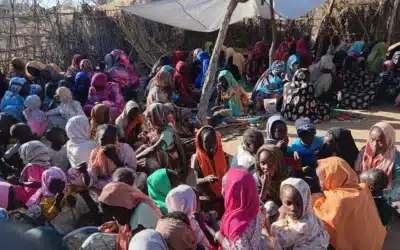
More than 100,000 people fled El Fasher and surrounding villages after the October offensive, many heading toward Tawila, where already overstretched displacement sites struggled to provide shelter, food, water and medical services.
The violence followed an earlier RSF offensive on Zamzam displacement camp south of El Fasher in April 2025. Hundreds of civilians were reported killed and more than 400,000 people were displaced as the camp was overrun and much of its infrastructure destroyed.
Minawi also linked the events in El Fasher to earlier cycles of mass violence in Darfur, including atrocities in El Geneina and violence dating back to the Darfur conflict of the early 2000s.
El Geneina witnessed large-scale killings in 2023, particularly targeting members of the Masalit community, in violence that international investigators later cited as part of a wider pattern of ethnically targeted attacks in Darfur.
Minawi, who also leads a faction of the Sudan Liberation Movement whose forces have fought alongside the Sudanese Armed Forces and other Darfur armed groups against the RSF, said commemorating the victims should be about more than recalling suffering.
He called for the preservation of evidence, justice for victims and accountability for perpetrators, arguing that failure to address past atrocities had contributed to repeated cycles of violence in Darfur.
He said El Fasher, El Geneina and Zamzam represented lasting wounds in Sudan’s collective memory and urged Sudanese and international actors to ensure that victims’ voices were not forgotten.