
KHARTOUM – Sudanese Prime Minister Kamil Idris urged the African Union to support Sudan’s push to designate the Rapid Support Forces (RSF) as a terrorist organization, setting out Khartoum’s political and security demands during a meeting with AU envoys in the capital.
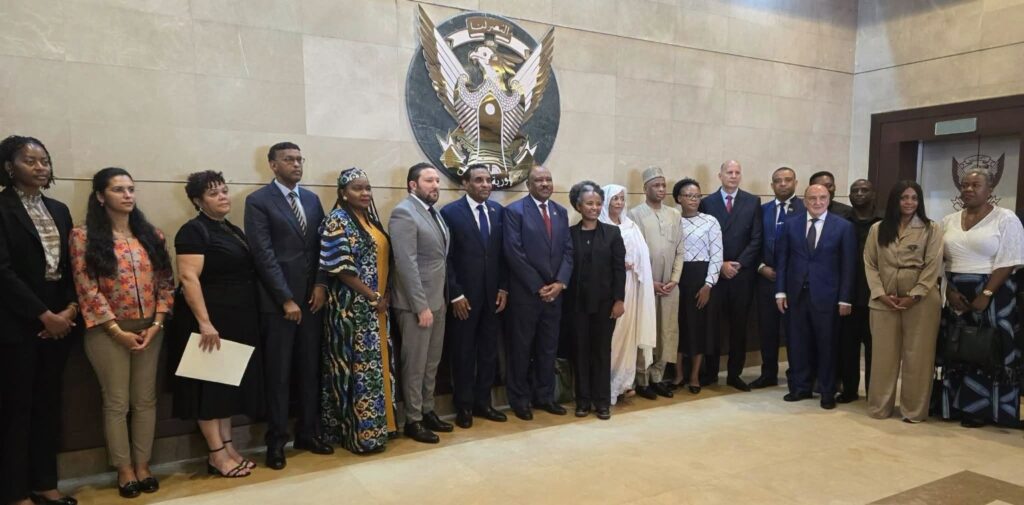
Idris met a delegation of African Union ambassadors and members of the AU Peace and Security Council at the Council of Ministers headquarters in Khartoum on Sunday. The delegation was led by Mohamed Khaled, Algeria’s ambassador and chair of the AU Peace and Security Council for August.
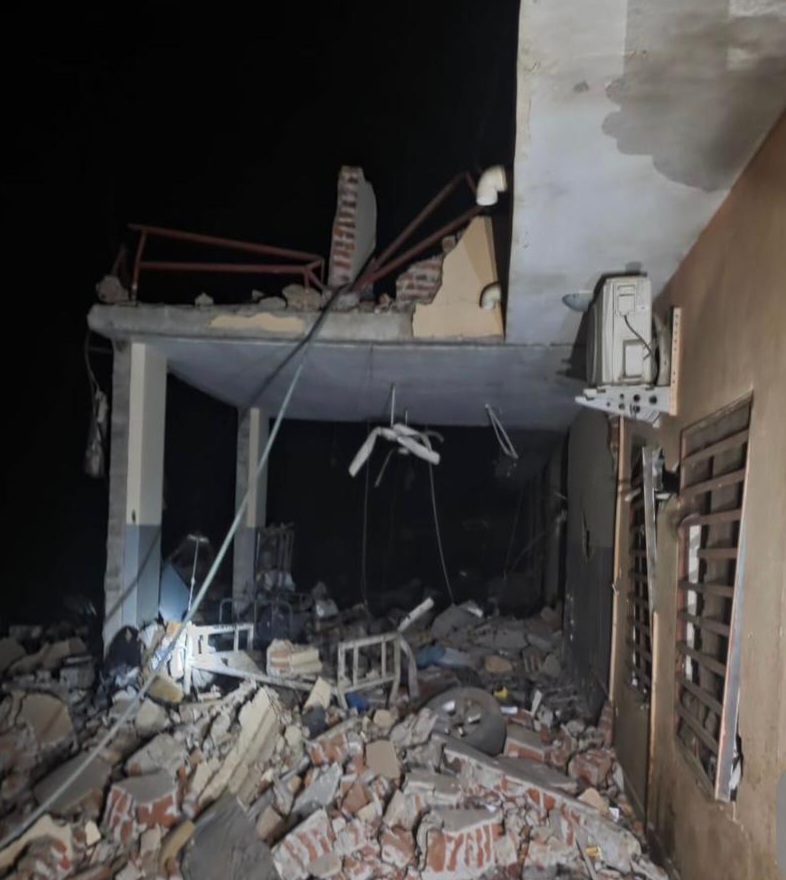
The prime minister briefed the delegation on developments in Sudan, accusing the RSF and its backers of causing widespread destruction, including damage to infrastructure, public services and state institutions.
He said the visit was a strong message that the African Union remains engaged with Sudan, but stressed that such engagement should be based on mutual respect among AU member states. He also pointed to Sudan’s historic role in the African continental system and its support for African liberation movements, including hosting figures such as Nelson Mandela during earlier phases of African solidarity.
The meeting comes as Sudan’s relationship with the African Union remains politically sensitive. The AU suspended Sudan’s participation after the October 2021 military takeover, and the war that erupted in April 2023 has further complicated the bloc’s role in mediating the crisis and engaging with the Sudanese authorities.
Idris questioned what role the African Union had played in Sudan’s crisis, saying Khartoum expected the bloc to support steps to classify the RSF as a terrorist organization because of what he described as its criminal conduct.
He also set out what he called Sudan’s “red lines,” including rejecting any equation between the Sudanese Armed Forces (SAF) and the RSF, opposing external interference in Sudanese affairs, and affirming that Sudanese people alone should decide how their country is governed.
The war between the SAF and the RSF has created one of the world’s largest humanitarian and displacement crises, with millions forced from their homes and large parts of the country suffering from insecurity, collapsed services and damaged infrastructure.
Idris said the visiting AU delegation would see the scale of violations and destruction he accused the RSF of committing, including attacks on state institutions and public facilities.
He also reviewed what he described as Sudan’s peace initiative, which he said was presented to the UN Security Council in December 2025. According to Idris, the initiative is based on the RSF withdrawing from areas it controls and entering disarmament, demobilization and integration arrangements as part of a process to end the war.
His remarks came as Sudanese authorities promote an internal political process. Sovereign Council Chairman and army chief Abdel Fattah al-Burhan recently said the state was ready to provide political, legal and security guarantees for participants in a proposed Sudanese-owned dialogue.
Idris said the Sudanese-Sudanese dialogue would begin soon and would lead to national recovery, comprehensive reconciliation, constitutional reconstruction and free and fair elections through which the Sudanese people would choose new leadership.
He added that the army was advancing in Greater Kordofan and would move toward Greater Darfur until the country was fully “liberated.”