
KHARTOUM – Sudan said disputes over the Abyei region should be resolved through dialogue and understanding with South Sudan, stressing that any settlement should be pursued peacefully and within existing agreements between Khartoum and Juba.
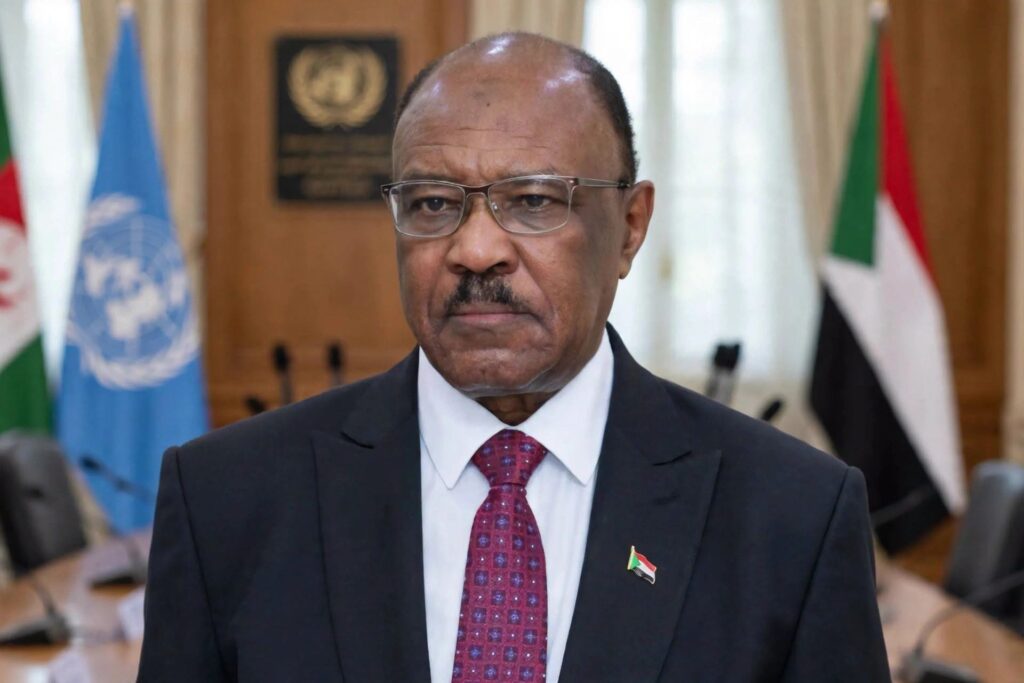
Foreign Minister Mohieddin Salem said on Friday that Sudan attached particular importance to Abyei because of its historical and social characteristics and the close ties and shared interests between communities on both sides of the Sudan-South Sudan border.
His remarks followed the appointment of retired Maj. Gen. Al-Khair Abdallah Idris Abu Mardat as Sudan’s head of the Abyei Joint Oversight Committee, replacing Hamed Mannan Mohamed Mirghani.
Salem said discussions on Abyei should be guided by the Abyei Protocol under the 2005 Comprehensive Peace Agreement, the 2011 temporary administrative and security arrangements and existing bilateral mechanisms between Sudan and South Sudan.
Abyei has remained disputed since South Sudan gained independence in 2011. The 2005 peace agreement gave the region special administrative status and provided for a referendum on its final status, but the vote was never held amid disagreements over eligibility and other arrangements.
The United Nations Interim Security Force for Abyei (UNISFA) was established in June 2011 after renewed violence and displacement in the area. Its mandate includes monitoring security arrangements, facilitating humanitarian access and supporting efforts to maintain stability.
Salem described Abyei as a bridge between the peoples of Sudan and South Sudan and said historical and social ties between local communities were deeper than political disagreements.
He said agreement between the two governments remained the route to a durable settlement that protects rights and preserves relations between the neighboring countries.
The foreign minister also said his ministry was ready to support Sudan’s side of the joint oversight mechanism and strengthen dialogue and cooperation with Juba over Abyei.