
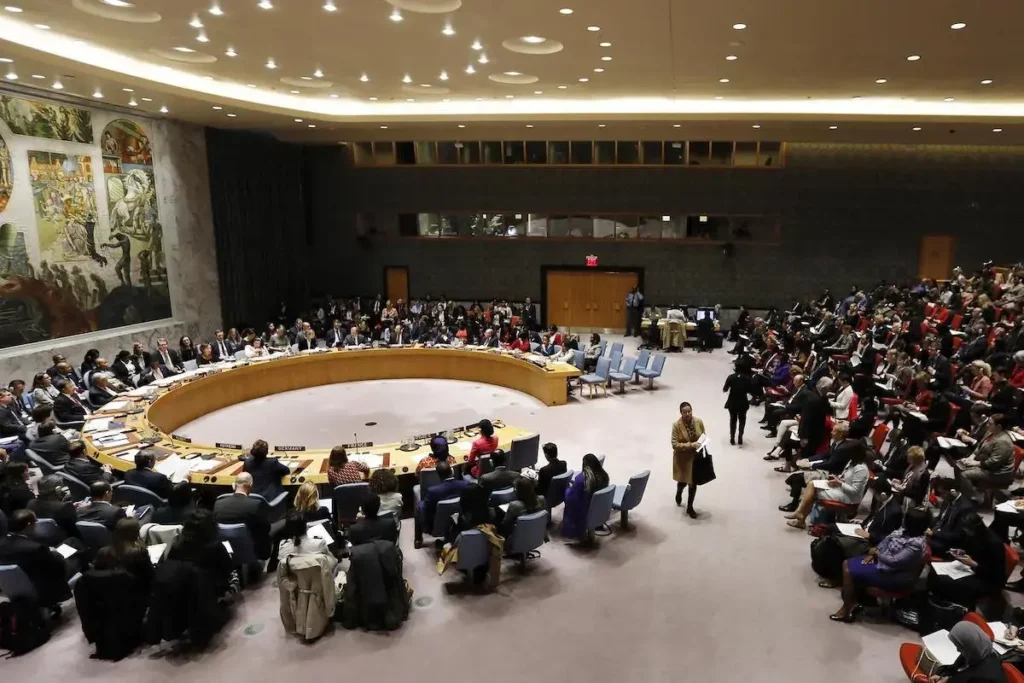
NEW YORK – The U.N. Security Council unanimously extended the Sudan sanctions regime linked to the Darfur conflict for two months, until Dec. 11, 2026, while leaving the existing arms embargo unchanged rather than expanding it across the country.
Resolution 2830, drafted by the United States, also extended the mandate of the Panel of Experts assisting the Sudan sanctions committee until Jan. 11, 2027.
The resolution reaffirmed that the situation in Sudan continues to constitute a threat to international peace and security in the region.
The vote follows a one-month technical extension adopted unanimously in September, as council members continued negotiations over possible changes to the sanctions regime.
Earlier U.S. proposals had sought to expand the arms embargo beyond Darfur to cover Sudan as a whole and all parties operating in the country, while also addressing drones and dual-use technology.
Those proposals did not secure agreement among council members, leading Washington to move instead with a further technical extension to allow more time for negotiations.
The latest decision therefore keeps the existing sanctions framework in place without making the broader changes contained in the earlier proposal.
That means the unanimous vote should not be read as agreement among council members on extending the arms embargo nationwide.
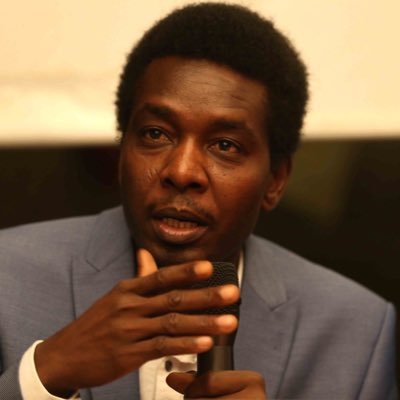
Sudanese Foreign Minister Mohieddin Salem has opposed proposals to expand the Darfur arms embargo across Sudan, arguing that such a move would restrict the Sudanese Armed Forces and benefit the Rapid Support Forces.
In his address to the U.N. General Assembly, Salem instead called for an end to weapons, ammunition and foreign fighter flows to the RSF and urged pressure on those providing external support.
The Security Council established the Sudan sanctions mechanism under Resolution 1591 of March 29, 2005, in connection with the conflict in Darfur.
The Panel of Experts supports the sanctions committee by monitoring implementation of the measures and reporting on developments related to the regime.
The latest extension comes as the war between the Sudanese Armed Forces and the RSF, which began in April 2023, continues to drive displacement, damage infrastructure and deepen humanitarian needs across the country.


