
KHARTOUM – The risk of famine is increasing across conflict-affected parts of Greater Darfur and Greater Kordofan, as war, mass displacement and severe drought rapidly worsen food insecurity and malnutrition, the Integrated Food Security Phase Classification (IPC) has warned.
In an alert published on Oct. 12, the IPC Global Initiative said new evidence showed an increasingly alarming humanitarian situation in areas already identified as being at risk of famine between October 2026 and January 2027, as well as in additional locations.
The IPC stressed that the alert does not constitute a new famine classification, but was issued because conditions were deteriorating rapidly and required urgent attention before a full analysis could be conducted.
New nutrition data from Darfur showed particularly severe conditions. Thirteen of 17 SMART surveys conducted since January recorded Critical levels of global acute malnutrition, while six found prevalence above 20%.
In South Darfur’s eastern Jebel Marra area, surveys in four displacement camps found an overall global acute malnutrition rate of 26.7%, with two camps recording rates of 38% and 30.8%, exceeding the IPC famine threshold for acute malnutrition.
The surveys also recorded severe hunger and elevated mortality, while nutrition screenings in Nyala showed the proportion of children admitted with severe acute malnutrition rising from 5.2% to 11.4% between January and August.
Other parts of South Darfur also recorded sharp increases. Severe acute malnutrition admissions in Tulus rose by 410% compared with the same period in 2025, while admissions approximately doubled in several other localities.
The IPC said conditions remained extremely concerning in North Darfur, where delayed rains severely affected cultivation and forced many displaced farmers to depend increasingly on markets for food.
Food stocks were critically low and prices remained high, while severe acute malnutrition admissions in Um Baru were nearly double 2025 levels. At Tina and Kernoi also continued to report high admissions.
Tawila, which is already hosting more than 650,000 displaced people, could receive additional arrivals as worsening drought in surrounding areas pushes more families toward locations where food, water and basic services remain available.
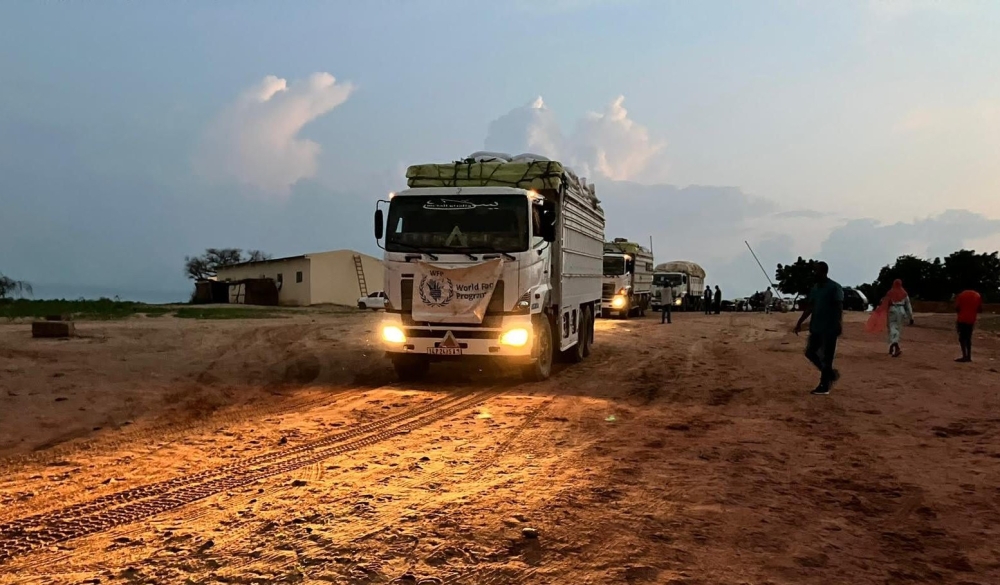
The alert said only around 27,000 people had been reached with humanitarian food assistance since March in At Tina, Kernoi and Um Baru, despite those localities having previously been identified as at risk of famine.
Conditions are also deteriorating across Greater Kordofan, where more than 300,000 people have been displaced since October 2025.
In North Kordofan, intensified fighting has forced agricultural communities toward El Obeid, while conflict in South Kordofan’s Heiban locality and attacks around Kauda have displaced thousands into remote parts of the Nuba Mountains.
West Kordofan is facing what the IPC described as rainfall conditions indicative of one of the worst droughts since 2004, compounding already severe constraints on markets and basic services.
Across Sudan, drought linked to El Niño has affected large areas of agricultural land. The IPC said around 64% of cropland in North Darfur and about half of cropland in South Darfur, West Kordofan and South Kordofan showed poor vegetation growth.
Severe water deficits were also reported across most cropland in those areas, while poor rains and high temperatures have caused localized crop failures and reduced prospects for the coming harvest.
The IPC warned that declining harvests were likely to keep cereal prices high and reduce agricultural employment and livestock income, particularly for poorer households.
Humanitarian access remains another major obstacle. Large populations in Greater Kordofan remain isolated because of insecurity, shifting frontlines and restrictions on movement.
West Kordofan remains particularly difficult to reach, while the Kosti-El Obeid supply route remains vulnerable to drone attacks. Kadugli and Dilling in South Kordofan were also described as being at risk of full siege.
The report said 26 of Sudan’s 188 localities had poor or no coverage for treatment of severe acute malnutrition. As of August, only 26% of expected cases involving medical complications had received treatment, leaving many children at heightened risk of death.
Funding shortages are further restricting the response. As of Oct. 8, Sudan’s humanitarian plan had received less than half of the required funding, with food security funded at 42%, nutrition at 30% and water, sanitation and hygiene at 23%.
The IPC said the overall humanitarian funding gap stood at 57%.
The IPC Famine Review Committee said available evidence pointed to a rapidly deteriorating situation even though insufficient survey data prevented a new full IPC analysis.
It warned that the combined impact of conflict, drought, displacement, restricted humanitarian access and declining funding could push more people into catastrophic food insecurity and expand famine risks.
The IPC called for an immediate scale-up of food, nutrition, health and water assistance, safe and sustained humanitarian access, protection of civilians and infrastructure, and flexible funding to prevent further loss of life.