

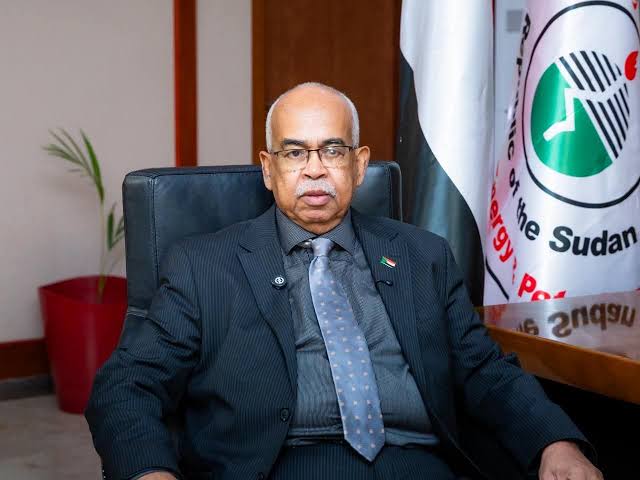
KHARTOUM – Sudan has sufficient supplies of diesel, gasoline, cooking gas and other petroleum products to cover demand for at least three months, Energy and Petroleum Minister Al-Mutasim Ibrahim Jadallah said, as repeated drone attacks continue to damage the country’s electricity and oil infrastructure.
Jadallah said recent fuel shortages in some areas were temporary and linked mainly to financial procedures, import schedules and fluctuations in regional oil prices rather than a sustained supply crisis.
The ministry maintains fuel stocks and import schedules designed to cover national requirements for no less than three months, he said.
He urged consumers to conserve fuel during temporary disruptions and said authorities were working to maintain supplies to essential sectors.
15 to 16 Power Sites Targeted
Jadallah said about 15 to 16 major electricity sites had been attacked in recent strikes, including substations, generation facilities and other infrastructure.
He accused the Rapid Support Forces of carrying out the attacks in an effort to disrupt electricity and essential civilian services.
The RSF has not claimed responsibility for all of the strikes, and responsibility for individual attacks has not always been independently verified.
Drone attacks have intensified since late October, hitting electricity infrastructure across several states and causing widespread outages.
Jadallah said oil infrastructure had also been targeted, including the pipeline carrying petroleum products from Port Sudan inland near Haya and fuel storage facilities in several locations.
He described attacks on facilities providing essential civilian services as a crime against humanity.
Electricity Sector Faces Heavy Damage
The minister said power cuts were affecting public services and daily economic activity and that electricity infrastructure had already sustained extensive damage during the war.
A ministry emergency committee is monitoring fuel and electricity supplies around the clock, he said.
Technical teams are deployed following attacks to assess damage and carry out emergency repairs.
Jadallah said the ministry expects further attacks and has introduced several layers of protective measures around electricity and petroleum installations.
He acknowledged, however, that the system cannot provide complete protection and must be continually adapted as drone technology and attack methods evolve.
Sudan’s energy sector is simultaneously confronting the cost of fuel imports, reconstruction of damaged electricity infrastructure and the growing challenge of protecting generation, transmission and distribution facilities from long-range drone attacks.


