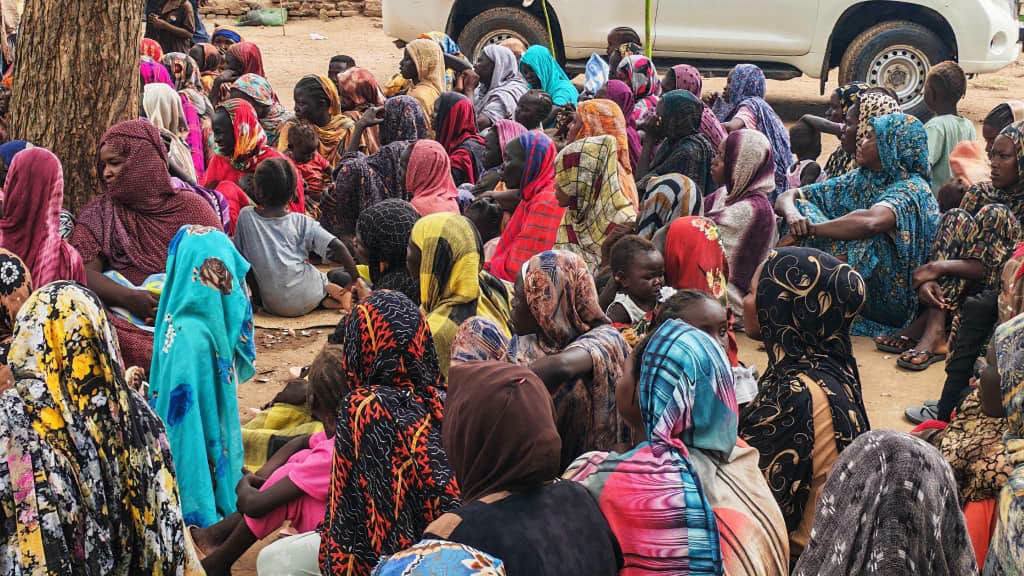
AD-DAMAZIN – The Women’s Advisory Group for Humanitarian Work in Sudan has warned of near-total displacement from some villages in Blue Nile, saying thousands of families have fled intensified fighting while women and girls face growing risks of violence, exploitation and abuse.
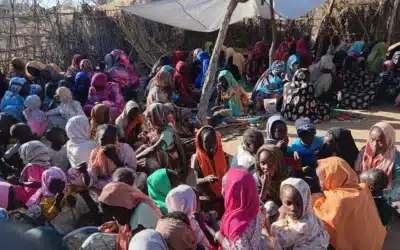
In a statement issued on Tuesday, Oct. 13, the group said Wad Al-Mahi locality had experienced successive waves of displacement, while Al-Azaza camp and the Quneis area were receiving increasing numbers of displaced people.
It said affected communities urgently need food, safe drinking water, shelter, healthcare and protection services as continued insecurity places additional pressure on already limited resources.
The group also cited reports of drone strikes on civilian locations in Ad-Damazin that killed and injured civilians, including women and children. It did not provide casualty figures or identify those responsible.
The warning comes days after a deadly drone attack near Abu Shendi in Wad Al-Mahi locality. The United Nations said preliminary information indicated that at least 31 civilians, mostly women and children, were killed and dozens more injured in the Oct. 9 attack near a site sheltering people displaced by fighting in Qeisan and Kurmuk.
The Sudan Doctors Network and Blue Nile Governor Ahmed Al-Omda Badi attributed the Abu Shendi attack to the Rapid Support Forces, while the U.N. did not identify the party responsible.
The Women’s Advisory Group warned that inadequate protection and the breakdown of community support networks were increasing the risks of sexual violence, exploitation, female genital mutilation, child marriage and forced marriage.
It said loss of income, disrupted education, family separation and limited access to basic services were leaving women and girls increasingly vulnerable, while repeated displacement and prolonged insecurity were adding to psychological and social pressures.
Women with disabilities, older women, pregnant and breastfeeding women and female-headed households were identified as among those facing the highest risks of harm and exclusion.
The warning comes amid broader concerns over rising social tensions in parts of Blue Nile.
The Blue Nile Civil Society Initiative warned on Monday of increasing tribal and racial rhetoric in Wad Al-Mahi and eastern areas, calling for an end to tribal-based arming and for inclusive reconciliation efforts to prevent the conflict from developing into wider intercommunal violence.
The Women’s Advisory Group said continued hostilities were disrupting livelihoods and increasing pressure on host communities, while insecurity, restrictions on humanitarian access and funding shortages were limiting aid agencies’ ability to respond to growing needs.
It called on parties to the conflict to halt attacks that endanger civilians and civilian infrastructure, ensure safe passage for residents and prevent further forced displacement.
The group also urged national and local authorities to facilitate humanitarian access and maintain healthcare, protection and psychosocial support services.
It called on the United Nations and humanitarian organizations to expand assistance and services aimed at preventing and responding to gender-based violence, while ensuring that people with disabilities are included in humanitarian responses.
The group stressed the importance of women-led organizations and local women’s groups in reaching affected communities, identifying needs and providing protection and referral services.
It also urged donors to provide urgent and flexible funding, increase direct support to women-led organizations and prioritize civilian protection and livelihoods.