
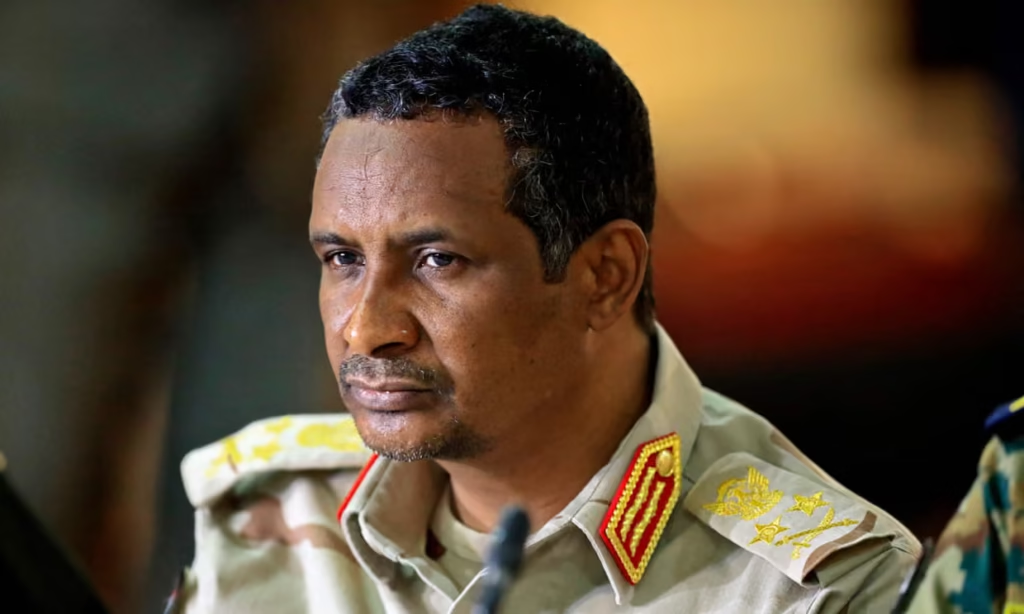
PORT SUDAN – A special court in Port Sudan sentenced Rapid Support Forces (RSF) commander Mohamed Hamdan Dagalo (Hemedti), his brothers Abdel Rahim Dagalo and Al-Qoni Dagalo, and 13 other RSF leaders to death by hanging after convicting them in the killing of former West Darfur Governor Khamis Abdalla Abakar.
The ruling was welcomed by the current West Darfur Governor, General Bahr Al-Din Adam Karama, who described the verdict as an important step toward justice and accountability. In a statement, Karama said the decision reinforces the rule of law and demonstrates that crimes against humanity do not expire with time.
He added that the ruling marks what he described as a turning point in restoring the role of Sudan’s judiciary, saying accountability efforts would continue because “the battle is both military and judicial.”
The case stems from the killing of Khamis Abdalla Abakar in El Geneina on June 14, 2023, hours after he publicly accused the RSF and allied militias in a televised interview of attacking civilians and called for international intervention to protect residents of West Darfur.
Later that day, the RSF announced it had taken the governor into custody, saying the move was intended to protect him. Videos circulated shortly afterward appeared to show armed men assaulting Abakar before images of his body emerged, triggering condemnation from the United Nations, the African Union, the United States, several Western governments and international human rights organizations.
Sudanese authorities accused the RSF of assassinating the governor, while the group denied direct responsibility, saying Abakar was killed by what it described as “uncontrolled groups” after leaving its custody.
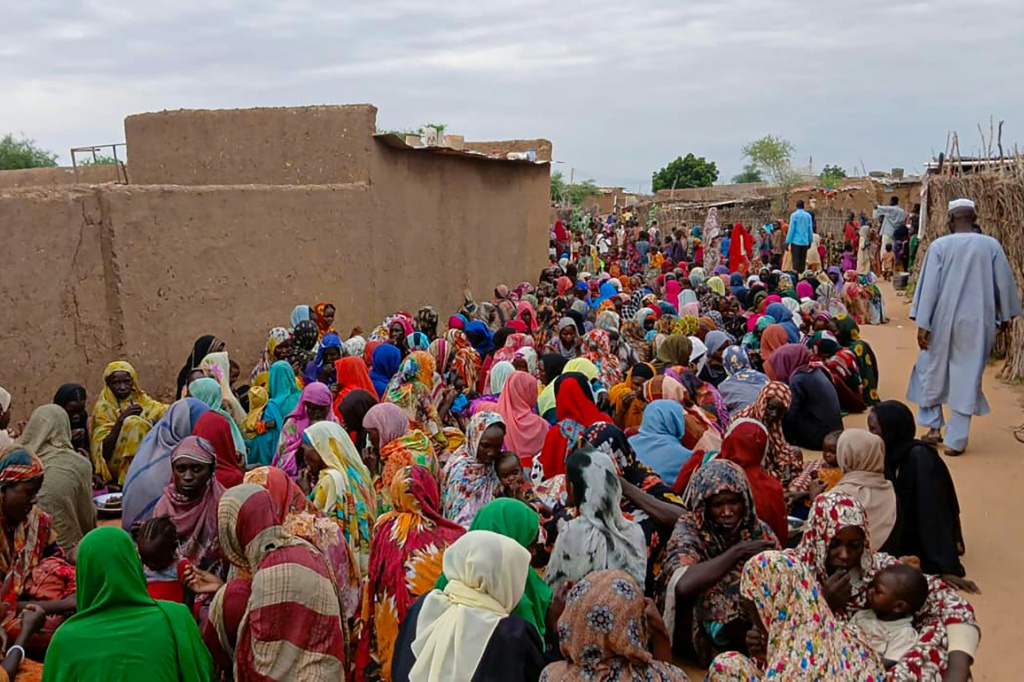
Abakar’s killing became one of the most prominent cases linked to the violence in West Darfur, where El Geneina witnessed widespread attacks, mass displacement and allegations of ethnically motivated killings during the early months of the conflict.
The Sudanese government later referred the case to the Special Court for Terrorism and Crimes Against the State, which tried the defendants in absentia before delivering the death sentences.
The verdict comes as Sudan pursues domestic prosecutions alongside ongoing international investigations into alleged war crimes and crimes against humanity committed during the conflict in Darfur, including investigations being conducted by the International Criminal Court (ICC).