
PORT SUDAN – Sudan has extended the opening of the Adre border crossing with Chad for the delivery of international humanitarian assistance for a further three months, from July 1 to September 30, 2026, the Foreign Ministry said on Monday.
In a statement, the ministry said the decision reflects the government’s commitment to facilitating the delivery of humanitarian aid to affected populations across Sudan and ensuring continued cooperation with United Nations agencies and international, regional and national humanitarian organizations.
The ministry said Sudan remains committed to providing the necessary facilitation for humanitarian operations in accordance with national laws and international humanitarian law.
It also commended the efforts of the UN Resident and Humanitarian Coordinator in Sudan in completing arrangements for a monitoring and oversight mechanism at the Adre crossing, saying the mechanism would enhance transparency and help ensure that humanitarian assistance reaches its intended beneficiaries.
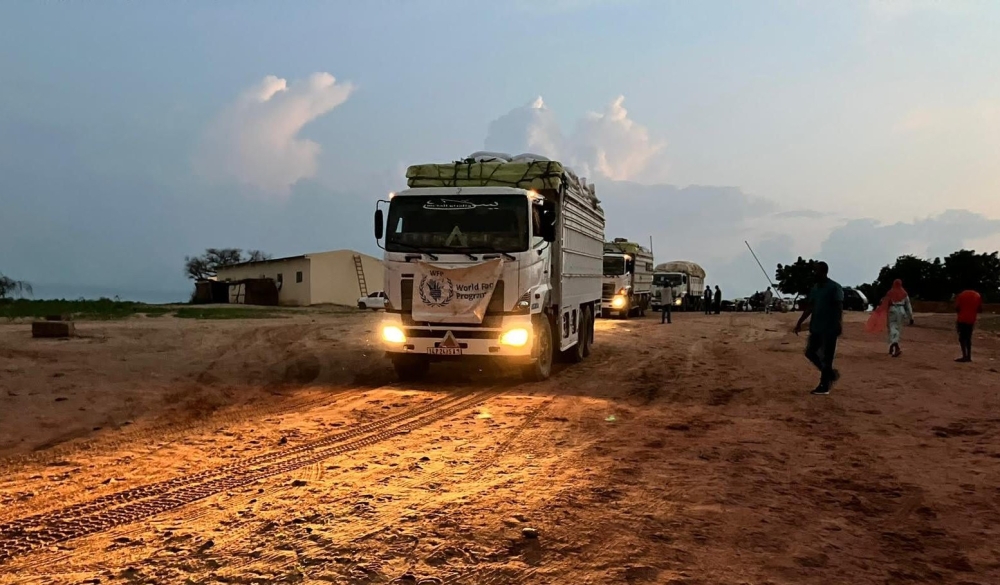
The extension comes as humanitarian organizations continue to rely on the Adre crossing as one of the principal routes for delivering relief supplies into conflict-affected areas of Darfur, where access has remained severely constrained by the ongoing war.
Sudan first agreed to open the Adre crossing in 2024 following international pressure to improve humanitarian access. Since then, the government has periodically renewed the measure while maintaining that humanitarian operations should respect Sudan’s sovereignty and national regulations.
The United Nations has repeatedly described cross-border access through Adre as critical to sustaining humanitarian operations in western Sudan, warning that millions of people in Darfur face acute food insecurity, displacement and limited access to healthcare amid continued fighting.
The conflict between the Sudanese Armed Forces (SAF) and the Rapid Support Forces (RSF), which erupted in April 2023, has displaced millions of people and created what the United Nations describes as one of the world’s largest humanitarian crises, with humanitarian agencies continuing to seek expanded and sustained access to civilians in need.