
CAIRO – Egypt on Monday called on Sudan’s neighboring countries to respect Sudan’s sovereignty and security and refrain from interfering in its internal affairs, reiterating its support for a Sudanese-led political process to end the conflict.
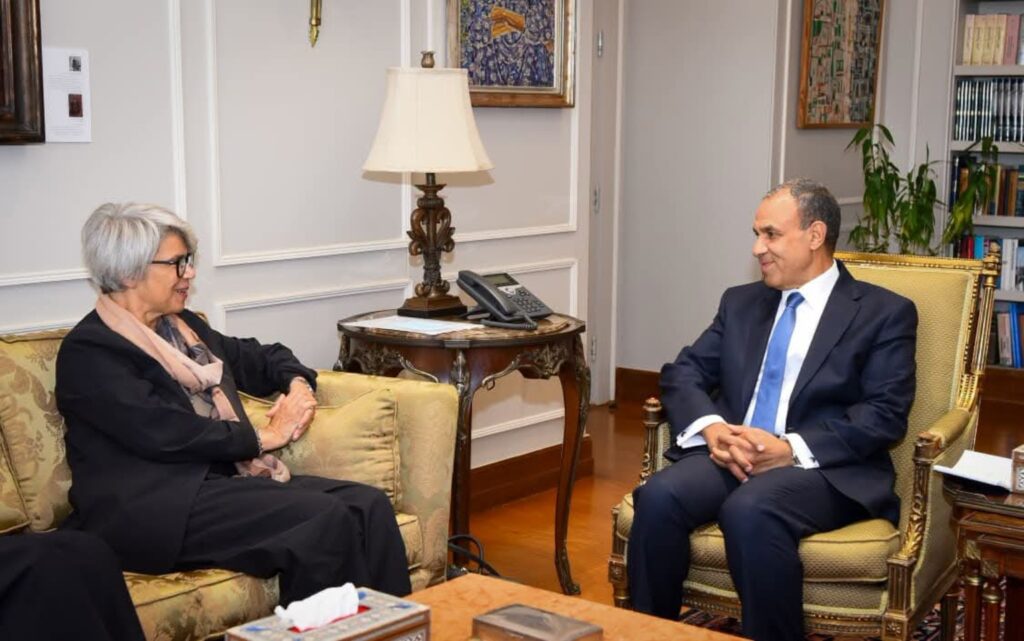
The position was conveyed during talks in Cairo between Egyptian Foreign Minister Badr Abdelatty and Annette Weber, the European Union’s Special Representative for the Horn of Africa, according to a statement by Egypt’s Foreign Ministry.
Abdelatty reaffirmed Egypt’s longstanding support for Sudan’s security, stability, unity and territorial integrity, as well as its national institutions, stressing the need to end all forms of escalation and prioritize Sudan’s national interest.
He also called for serious engagement in a Sudanese-owned political process leading to a comprehensive political settlement that preserves Sudan’s sovereignty and meets the aspirations of its people for security, stability and development.
The discussions also covered developments across the Horn of Africa. Abdelatty emphasized the importance of preserving regional security and stability, supporting national institutions and safeguarding the sovereignty and territorial integrity of states. He also reiterated Egypt’s rejection of any attempts to establish parallel entities that undermine Somalia’s unity.
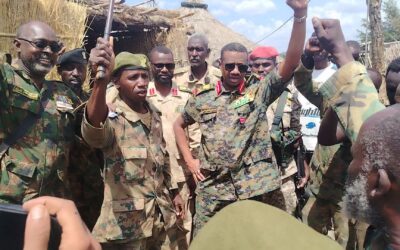
Egypt has consistently backed Sudan’s state institutions since war erupted between the Sudanese Armed Forces (SAF) and the Rapid Support Forces (RSF) in April 2023, while repeatedly calling for a political settlement that preserves Sudan’s unity and territorial integrity.
Cairo has also hosted and supported several regional and international initiatives aimed at ending the conflict, stressing that any political process should be Sudanese-led and respect the country’s sovereignty without external interference.
The European Union has remained engaged in diplomatic efforts on Sudan through its Special Representative for the Horn of Africa and has repeatedly called for an immediate ceasefire, unhindered humanitarian access and a return to an inclusive civilian-led political process.
The conflict in Sudan, now in its fourth year, has displaced millions of people, devastated large parts of the country’s infrastructure and economy, and triggered what the United Nations describes as one of the world’s worst humanitarian crises.