
NEW YORK – Sudanese officials and the United Nations discussed security and political developments in the disputed Abyei region as tensions persist over armed activity, communal violence and the unresolved status of the territory between Sudan and South Sudan.
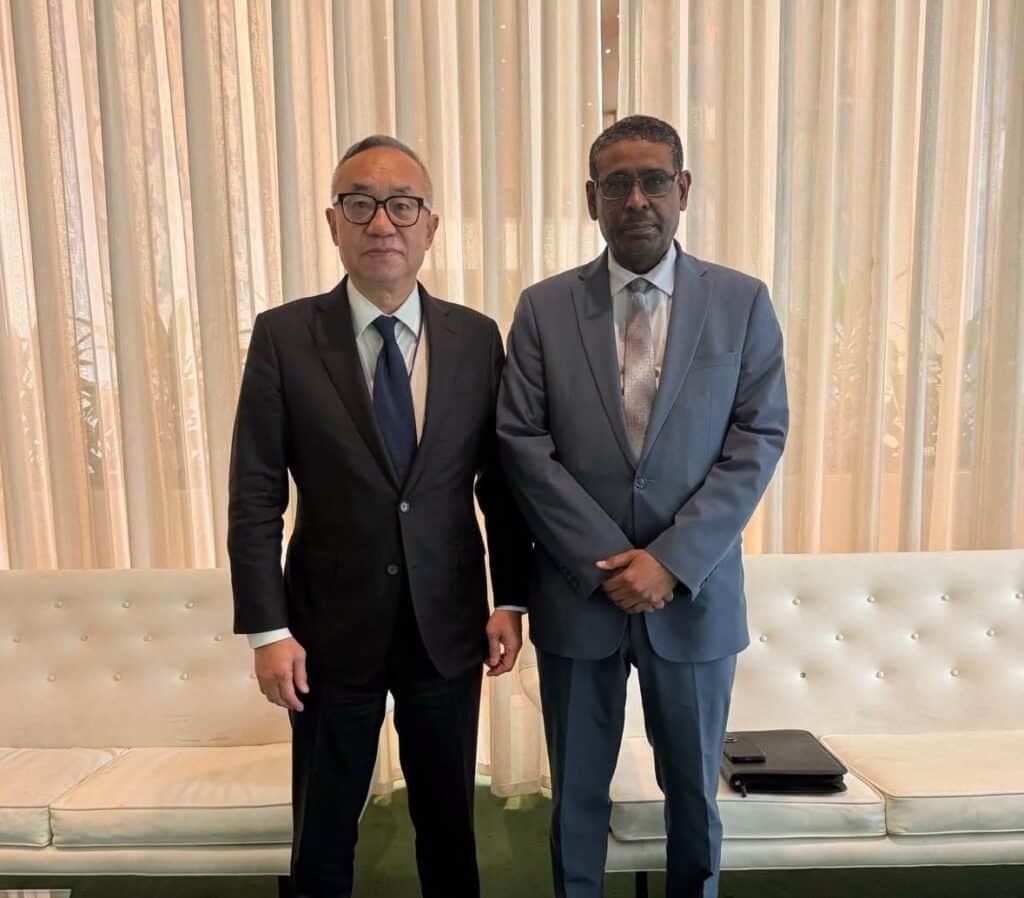
Sudan’s acting chargé d’affaires to the United Nations, Abu Zeid Shamseldin, met U.N. Special Envoy for the Horn of Africa Guang Cong to review recent developments and steps taken by Khartoum on the Abyei file, according to Sudan’s permanent mission.
The Sudanese side highlighted the resumption of the Joint Political and Security Mechanism with South Sudan, the establishment of a high-level committee on Abyei and the appointment of a new Sudanese co-chair of the Abyei Joint Oversight Committee.
The meeting also addressed broader developments in the Horn of Africa, with both sides stressing dialogue, de-escalation, respect for international law and state sovereignty.
The talks came weeks after deadly drone strikes near Amiet Market and Todach on Oct. 19.
A local Abyei official initially reported that at least 153 people were killed in the Amiet attack and blamed the Sudanese military. A Sudanese military officer said the strike targeted fuel tankers allegedly supplying the Rapid Support Forces and disputed claims that the victims were civilians.
The competing accounts have not been independently verified.
The United Nations has reported a lower confirmed toll, saying more than 80 people were killed in the attacks while casualty verification continued.
Cong told the Security Council on Nov. 5 that the Amiet attack was among the deadliest incidents in Abyei’s history and called for a prompt and independent investigation to establish responsibility.
He warned that movements by the RSF, South Sudan People’s Defence Forces and other armed elements inside the Abyei area threatened efforts to preserve its demilitarised status.
Communal tensions have also remained high, including disputes involving Ngok Dinka, Twic Dinka and Misseriya communities.
Abyei’s final status has remained unresolved since South Sudan gained independence in 2011 after a planned referendum on the territory failed to take place.
The U.N. Interim Security Force for Abyei, known as UNISFA, has operated in the area since 2011 to monitor its demilitarised status, protect civilians and support temporary security arrangements.
The Security Council extended the mission’s mandate until Nov. 15, 2026, while linking any further renewal to progress by Sudan and South Sudan on issues including the withdrawal of unauthorized forces, renewed bilateral security meetings and temporary administrative and security arrangements.
Cong has described the revival of dialogue between Khartoum and Juba as an important step but warned that Sudan’s war risks drawing Abyei deeper into regional instability.


