

GENEVA – Drone attacks on Sudan’s power infrastructure and worsening drought are combining to deepen risks for millions of children, with an estimated 825,000 children under five expected to suffer severe acute malnutrition this year, UNICEF warned on Tuesday.
UNICEF spokesperson James Elder said the two crises were reinforcing each other by disrupting electricity, water, healthcare, food production and essential services across the country.
“In Sudan, power is water,” Elder said, warning that when electricity stations are hit, water pumping and treatment systems stop, forcing families to rely on costly or unsafe alternatives and increasing the risk of disease.
UNICEF said armed drones struck power stations every day during the final week of October, with as many as 15 electricity facilities targeted during the month.
The attacks have spread geographically and occurred in rapid succession, representing what UNICEF described as a serious escalation in attacks affecting civilian infrastructure.
Electricity outages also threaten cold-storage systems used for vaccines and medicines, while farmers reliant on electrically powered irrigation pumps face additional pressure from fuel shortages and declining rainfall.
Malnutrition Risks Rise as Planting Window Closes
UNICEF warned that poor rainfall linked to El Niño had already damaged agricultural prospects in conflict-affected areas.
The agency said the planting window for Sudan’s 2026-27 cereal harvest had largely closed, meaning even late rainfall would not fully reverse losses.
Reduced agricultural production, disrupted irrigation, high fuel costs and continued conflict are pushing food prices higher and making adequate nutrition increasingly unaffordable for families.
UNICEF estimates that 825,000 children under five could suffer severe acute malnutrition in 2026, the most dangerous form of malnutrition and one that carries a high risk of death without treatment.
The warning comes as Sudan faces one of the world’s most severe hunger and displacement crises after more than three and a half years of war.
Drones Increasingly Harm Children
Elder said drones had become an increasingly significant cause of child casualties.
According to UNICEF, two out of every three child casualties recorded in Sudan this year were caused by drones.
The technology has expanded the geographical reach of the war, exposing communities previously considered relatively safe to attacks far from traditional front lines.
During a recent visit, Elder met children who had lost limbs in explosive attacks, including a teenager who lost both hands and was living in a tent while continuing his education online.
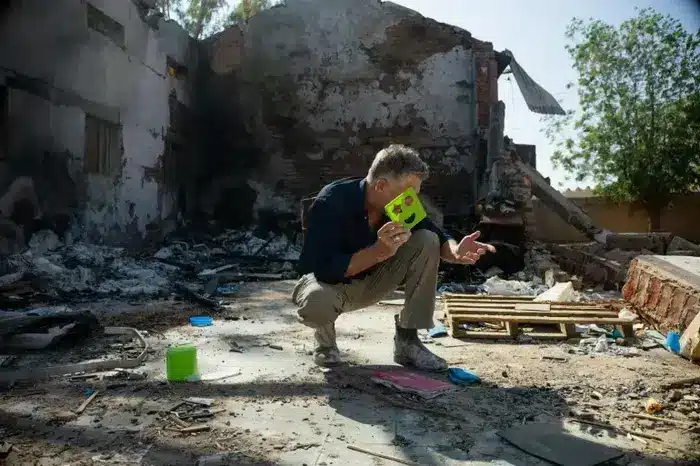
UNICEF also highlighted the destruction of its warehouse in El Obeid, North Kordofan, during a Sept. 20 drone strike.
The attack destroyed more than 292,000 school textbooks, 40,000 Arabic and mathematics revision books and other educational materials intended for Sudanese children.
Water, Health and Education Under Pressure
Despite deteriorating conditions, UNICEF said it and its partners had treated hundreds of thousands of children suffering from severe malnutrition.
The agency has also helped provide healthcare to more than 2.5 million people and vaccinated millions of children against preventable diseases.
UNICEF said repaired and solar-powered water systems had helped maintain access to safe water for nearly 8 million people, while millions of children had received educational support.
Around 1.5 million children and family members have also received protection, mental health or psychosocial assistance.
But UNICEF warned that its Sudan response was only about one-third funded, putting these programmes under increasing strain.
The agency called for an end to violence against children and attacks on electricity, water and other civilian infrastructure.
It also called for safe humanitarian access across conflict lines, measures to prevent weapons from reaching actors harming civilians, and urgent, flexible funding to maintain water, nutrition, healthcare, education and child-protection services.
Elder warned that Sudanese children were simultaneously losing access to food and the infrastructure necessary to sustain life.
“When the power goes, the water pumps stop. When the rains fail, the food runs out,” he said.


