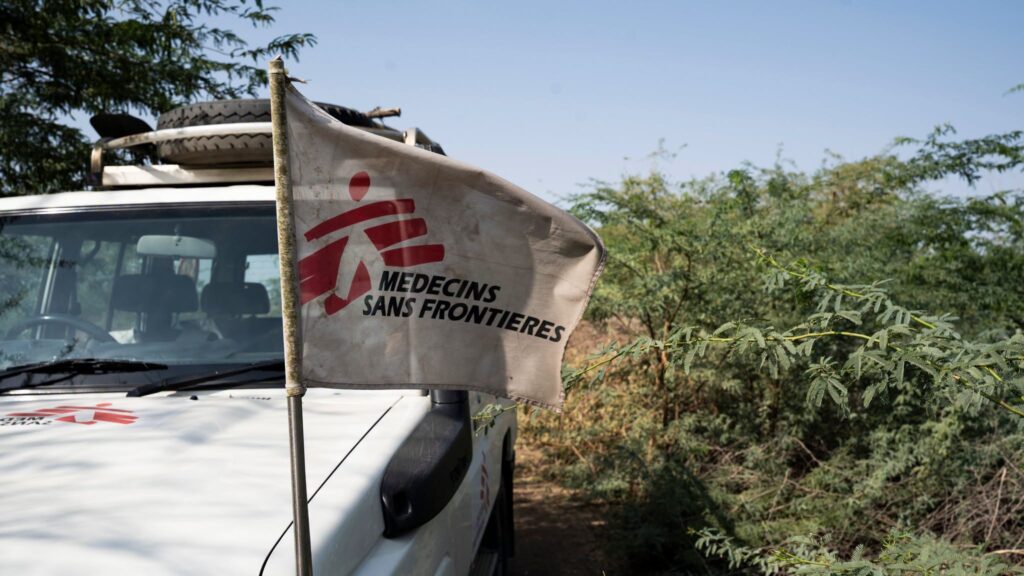
MUKJAR – Nearly 100,000 people in and around Mukjar, Central Darfur, are struggling to access healthcare amid severe shortages of medical services, safe water and humanitarian assistance, according to Médecins Sans Frontières (MSF).
MSF said the area has experienced repeated intercommunal violence, at times escalating into armed clashes, while significant medical needs remain largely unmet.
When MSF teams conducted their first assessment of Mukjar locality in June, only a limited number of humanitarian organizations were operating on the ground.
Since Aug. 2, MSF has been working with Sudan’s Ministry of Health at Mukjar Hospital, focusing particularly on children under five, emergency care and vaccination.
In August alone, nearly 2,000 people received outpatient treatment at the hospital, with diarrhea, skin diseases and malaria among the most commonly treated conditions.
Despite those services, MSF said major gaps remain. There are no surgical or maternity services, routine vaccination campaigns are not being carried out, and only one of the seven water stations serving Mukjar is currently operational.
Many families also cannot afford transportation to reach the hospital, further restricting access to medical care.
“The humanitarian presence in Mukjar is extremely limited, with only a handful of organizations working on the ground,” said Sebastien Trafficante, MSF emergency coordinator in Darfur.
“Many people cannot afford to reach care, children are not getting vaccinated, and families cannot find safe water. Without urgent support, preventable diseases will spread and lives will be lost.”
The combination of limited healthcare, disrupted vaccination, unsafe water and transportation costs is increasing risks for communities already affected by insecurity and repeated violence.
MSF warned that additional humanitarian support is urgently needed to expand access to healthcare, restore essential services and prevent outbreaks of avoidable diseases.