
KHARTOUM – The World Food Programme says funding shortages have forced it to reduce the number of people receiving assistance in Sudan, even as 19.5 million people face acute food insecurity and worsening drought threatens to push another 1.2 million into severe hunger during the 2027 lean season.
WFP assisted 3.1 million people in September, down sharply from 4.1 million in August, a decline the agency attributed to insufficient funding.
Among those reached were 880,000 people living in areas classified as at risk of famine.
The agency said it urgently needs $426 million between October 2026 and March 2027 to maintain operations at the required scale and avoid further reductions in either food rations or the number of people receiving assistance.
Of that amount, $402 million is needed to sustain emergency food and nutrition programmes.
WFP said its funding position remains critically inadequate despite a highly prioritized response plan.
The agency had received $257 million in direct contributions for 2026 by mid-October, significantly below the resources required to sustain operations.
The funding crisis comes as Sudan’s food security situation continues to deteriorate after more than three years of war.
An estimated 19.5 million people are experiencing acute food insecurity, including 5.1 million facing the most severe levels of hunger.
WFP figures also show 4.2 million malnourished children and pregnant or breastfeeding women and girls requiring support.
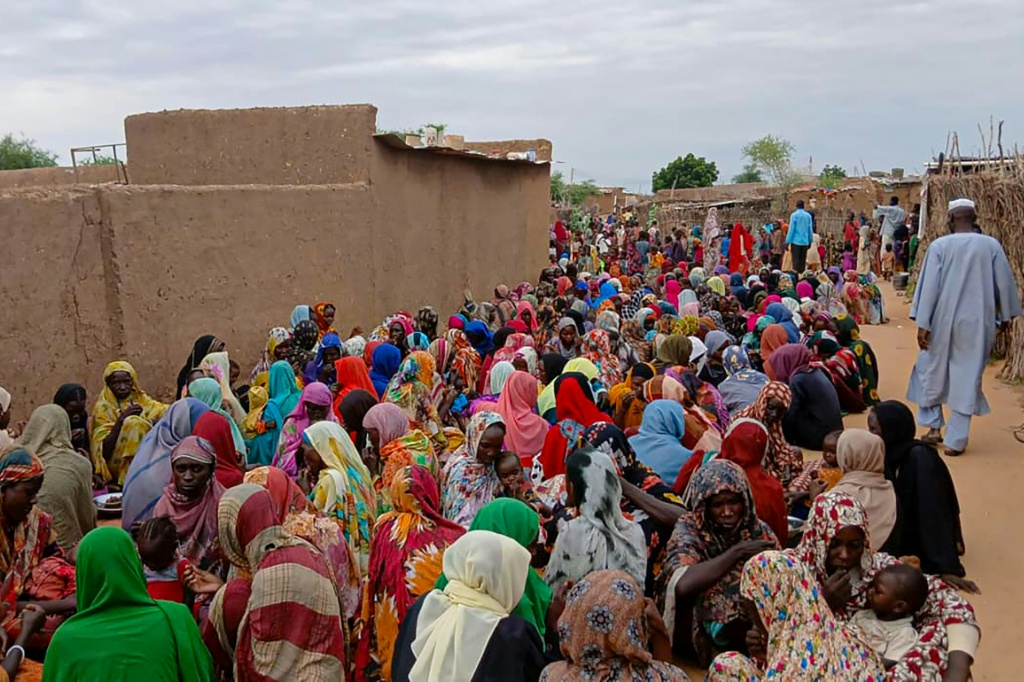
Sudan is simultaneously facing one of the world’s largest displacement crises, with 8.6 million people internally displaced and another 4.7 million displaced outside the country since the conflict began in April 2023.
Drought Threatens Another 1.2 Million
WFP warned that conflict is increasingly being compounded by El Niño-related drought.
Drought conditions are affecting about half of Sudan’s agricultural areas, threatening crop production, livestock and rural livelihoods.
Preliminary food security assessments identified 28 hotspot localities across Darfur and Kordofan.
With reduced harvests expected, WFP said as many as 1.2 million additional people could face severe food insecurity during the 2027 lean season, on top of the 19.5 million already experiencing acute hunger.
The agency said fighting intensified significantly in September, particularly across North Kordofan, Blue Nile and Darfur, triggering new displacement and disrupting livelihoods.
It warned of heightened risks around strategic locations including Ed Damazin, Roseires Dam and El Geneina.
Previous Gains at Risk
WFP warned that funding cuts are already reversing improvements in some of Sudan’s most food-insecure areas.
Ten of the 28 localities identified as food security hotspots had previously been classified as famine or famine-risk areas but improved following sustained humanitarian assistance.
Those areas are now beginning to re-emerge as hunger hotspots as funding shortages force aid agencies to scale down programmes and reduce the continuity of assistance.
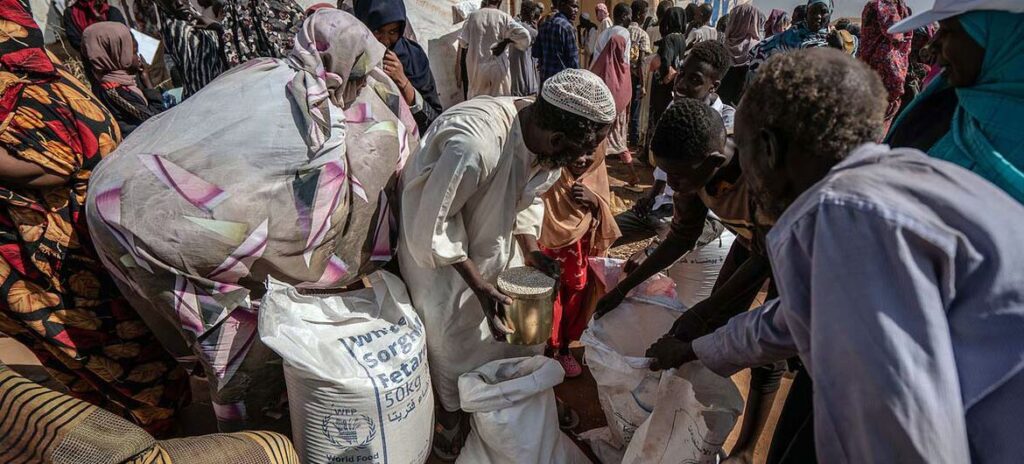
Despite the constraints, WFP distributed 11,300 metric tonnes of food and transferred $8.8 million in cash assistance during September.
Emergency in-kind food assistance reached about 1.2 million people, while cash-based food assistance reached 1.4 million.
WFP’s nutrition programmes reached 349,000 children under five and pregnant and breastfeeding women and girls across Sudan’s 18 states.
The agency also provided school meals to 175,000 children during September.
Darfur Receives Largest Share
Darfur accounted for the largest share of WFP assistance during September, with 1.4 million people reached across the region.
The agency distributed around 4,600 metric tonnes of food and $4.3 million in cash assistance there.
In Kordofan, 482,000 people received assistance despite insecurity, telecommunications disruptions and restrictions on humanitarian access.
WFP reached another 433,000 people in northeastern Sudan, 642,000 across southern parts of the country and 106,000 in Khartoum State.
Humanitarian operations have also faced logistical obstacles.
WFP said bureaucratic impediments delayed the movement of 44 trucks carrying assistance into Darfur in September despite the continued use of cross-border convoys.
The agency nevertheless dispatched or loaded more than 3,000 metric tonnes of food for Darfur during the month.
Across Sudan, food security and livelihoods partners have reached about 13 million people so far in 2026, including 7.6 million with food assistance and 7 million through agricultural and livestock support.
WFP warned, however, that without urgent new funding, maintaining those gains will become increasingly difficult as conflict, drought, displacement and economic deterioration deepen the hunger crisis.