

OTTAWA – Ten countries and the European Union warned that the risk of further large-scale atrocities in Sudan remains acute, one year after the Rapid Support Forces’ assault on El Fasher was accompanied by mass killings, ethnically motivated violence, torture, disappearances and widespread sexual abuse.
In a joint statement marking the Oct. 26, 2025 atrocities in the North Darfur capital, members of the Coalition on Atrocity Prevention and Justice for Sudan said civilians across the country continue to face violence, displacement, attacks on civilian infrastructure and restrictions on humanitarian assistance.
The statement was issued by Canada, Denmark, France, Germany, Ireland, the Netherlands, Norway, Sierra Leone, Sweden and the United Kingdom, along with the European Union.
The coalition said the violence in and around El Fasher reached a devastating peak on Oct. 26, 2025, after months of siege and escalating RSF attacks.
Civilians were subjected to mass killings, killings motivated by ethnicity, summary executions, torture, enforced disappearances, forced recruitment, arbitrary detention and widespread sexual and gender-based violence, the statement said.
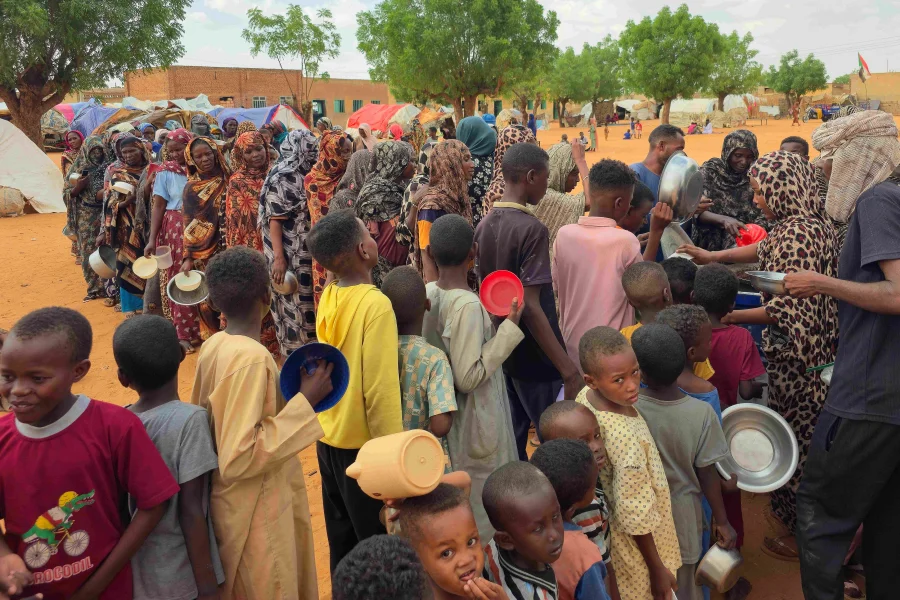
Entire communities were forcibly displaced, while restrictions on humanitarian access intensified hunger, insecurity and deprivation.
The coalition said findings by the U.N. Independent International Fact-Finding Mission for Sudan demonstrated the scale and severity of violations committed in and around El Fasher.
It welcomed the recent renewal of the mission’s mandate and expressed support for parallel investigative work by the African Union and cooperation between the two bodies.
Risk of New Atrocities Remains Acute
A year after the fall of El Fasher, the coalition said civilians across Sudan continue to suffer from widespread sexual violence, displacement, attacks on civilian infrastructure and restrictions on humanitarian assistance.
It also highlighted the growing use of drones in attacks affecting civilians and civilian infrastructure, warning that the technology was increasing humanitarian needs and protection risks.
Repeated attacks on humanitarian workers, local responders and frontline aid providers were also worsening conditions for millions of Sudanese, the statement said.
Taken together, those developments show that the threat of further large-scale atrocities remains acute, the coalition warned.
The anniversary comes amid a sharp escalation in drone warfare across Sudan.
The U.N. Human Rights Office has documented hundreds of civilian deaths from drone strikes during October alone, with homes, markets, hospitals, displacement sites, power stations and water infrastructure among the locations affected.
Coalition Calls for Accountability
The coalition said justice and accountability were essential to achieving sustainable peace and called for those responsible for serious violations and abuses to be investigated and held accountable.
It pledged continued support for international and Sudanese accountability mechanisms, including the International Criminal Court’s work on Darfur and future transitional justice processes.
The coalition also emphasized the role of Sudanese human rights defenders and civil society organizations in documenting violations and supporting victims and survivors.
It said rights defenders often operated at considerable personal risk and should play a central role in shaping future accountability efforts.
Victims of conflict-related sexual violence must also have safe and confidential access to medical, psychosocial and legal assistance, the coalition said.
States Urged to Stop Arming Sudan’s War
The statement said there was no military solution to Sudan’s conflict and called on all parties to protect civilians and allow safe, rapid and unhindered humanitarian access.
It also directed a message to countries supporting parties to the war.
The coalition called on all states to comply with international law and use their influence to protect civilians and prevent further atrocities.
It specifically urged governments to cease arming, financing or otherwise enabling Sudan’s conflict and to fully comply with U.N. sanctions, including the arms embargo on Darfur.
The appeal comes amid mounting scrutiny of external military support to Sudan’s warring parties and repeated calls by international rights organizations for tighter restrictions on weapons transfers.
El Fasher fell to the RSF in October 2025 after an approximately 18-month siege that caused severe shortages of food, water and medicine.
Subsequent U.N. and human rights investigations documented mass killings, sexual violence, detention, torture and ethnically targeted abuses during and after the final assault.
Recent U.N. findings have estimated that more than 6,000 people were killed during three days of the final offensive, although investigators have said the actual toll was likely substantially higher.
A year later, tens of thousands of civilians remain displaced across Darfur while humanitarian organizations continue to report serious protection risks and limited access to affected communities.
“One year after El Fasher, our message is clear: the victims will not be forgotten, survivors will be heard, and we will continue to pursue accountability for those responsible,” the coalition said.


