KHARTOUM – Sudan’s General Coordination for Displaced Persons and Refugees has called for urgent international action to address what it described as a deepening shelter crisis affecting millions of people displaced by the war.
The group said on Nov. 7 that the loss of shelter had become a direct threat to the safety and dignity of displaced families as conflict-driven displacement continues and living conditions deteriorate.
It cited recent estimates from the U.N. refugee agency and the International Organization for Migration showing that about 15.4 million people in Sudan need emergency shelter and essential household items.
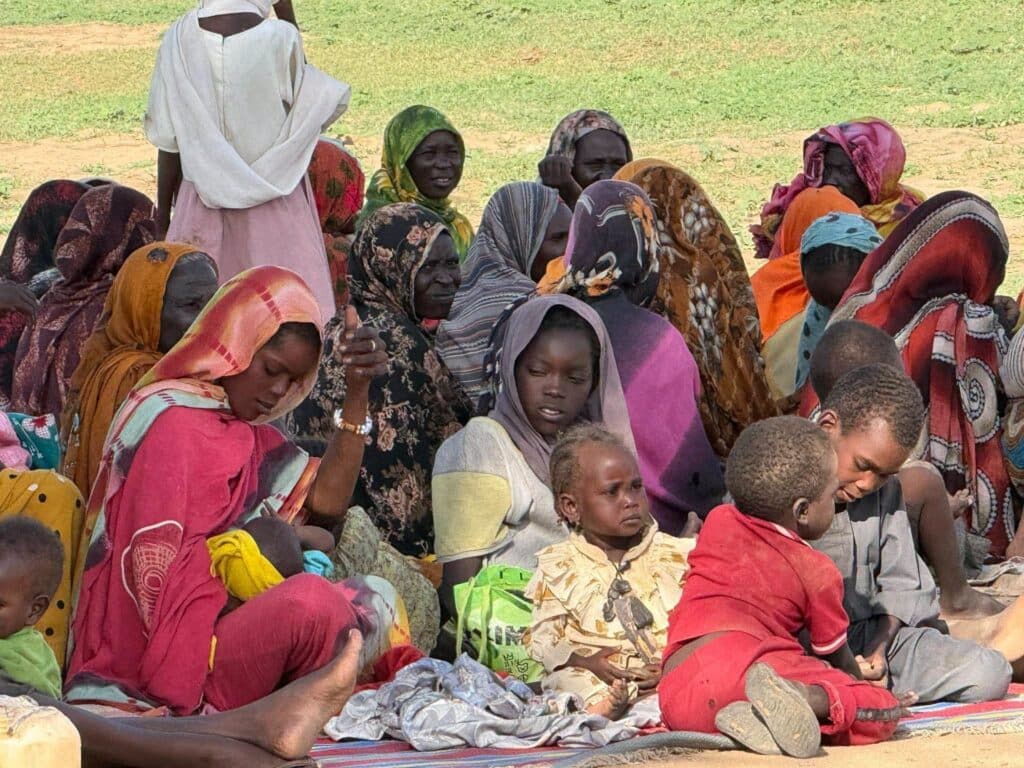
The coordination body said limited humanitarian funding and shortages of basic supplies had left large numbers of displaced people living in camps, overcrowded shelters, temporary centres, unsafe buildings or in the open.
Conditions were particularly severe in Darfur and other conflict-affected areas, it said, where shortages of clean water, healthcare and protection services were increasing risks for women, children, older people and people with disabilities.
The group warned that the shelter crisis also increased exposure to disease, malnutrition, violence, exploitation and psychological distress.
It called on donors, U.N. agencies and humanitarian organisations to provide urgent and sustained funding for tents, shelter materials and household supplies and to expand assistance to remote areas, host communities and displacement camps.
It also urged stronger protection, healthcare, water and sanitation services and called for greater coordination with local organisations to ensure assistance reflects actual needs on the ground.
The group said longer-term housing solutions were also needed as the war continued to generate new displacement and many families remained unable to safely return home.
It stressed that displaced people and refugees should be involved in decisions affecting humanitarian priorities, saying they should be treated as rights holders rather than simply recipients of aid.
The statement comes amid severe funding shortages affecting Sudan’s humanitarian response, with U.N. agencies warning that shelter stocks are critically low and assistance is reaching only a fraction of those in need.