
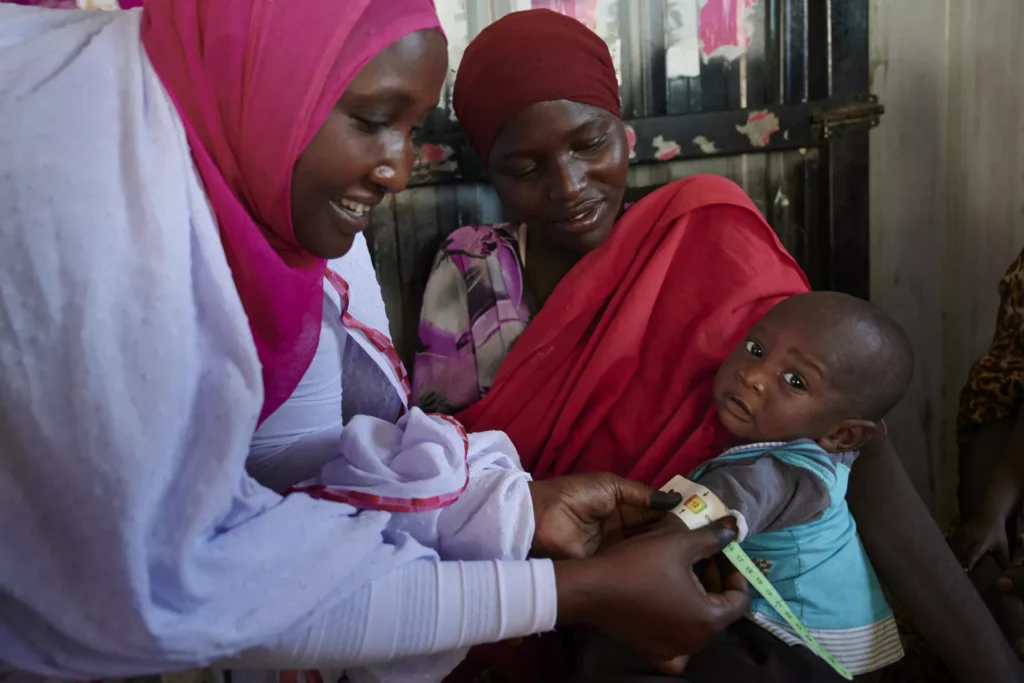
KHARTOUM – An estimated 4.2 million children in Sudan are suffering from acute malnutrition, according to a new humanitarian snapshot by the United Nations Office for the Coordination of Humanitarian Affairs, as conflict, food insecurity, displacement and disease continue to deepen the country’s humanitarian crisis.
The figures were included in an October 2026 East Africa humanitarian snapshot, prepared on Oct. 8, which brings together data from different reference periods covering food security, nutrition, displacement and disease outbreaks across the region.
Sudan recorded the highest number of acutely malnourished children among the countries covered by the report. Across East Africa, an estimated 9.7 million children aged six to 59 months require treatment for acute malnutrition.
OCHA said prolonged drought, limited food availability, high food and fuel prices and funding shortages were worsening malnutrition among vulnerable communities across the region.
The report also cited 19.5 million people in Sudan facing Crisis-level food insecurity or worse. That figure is based on Integrated Food Security Phase Classification projections for February to May 2026 and does not represent a new October assessment.
Across East Africa, around 40.9 million people were facing Crisis-level food insecurity or worse, including 9.6 million in Emergency conditions or above.
The report also put the number of internally displaced people in Sudan at about 8.6 million, based on data available through September. That represents more than half of the estimated 16.5 million internally displaced people across East Africa.
Sudan was also hosting around 905,000 refugees and asylum-seekers, according to reference data through August. The figure refers to refugees living inside Sudan and not Sudanese who have fled to neighboring countries.
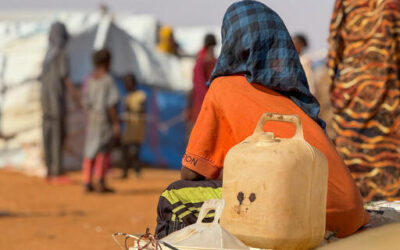
The worsening nutrition crisis comes amid more than three years of war, which has damaged livelihoods, disrupted markets and health services, displaced millions of people and weakened households’ ability to afford food and other basic needs.
Health risks are adding further pressure. The report recorded around 2,900 cholera cases in Sudan between January and September, out of approximately 22,900 cases across East Africa during the same period.
Disease outbreaks are placing additional strain on already weakened health systems, while humanitarian agencies continue operating under severe financial constraints.
OCHA said humanitarian response requirements across East Africa were only 39% funded. The figure applies to the regional response and should not be interpreted as the funding level for Sudan’s humanitarian plan alone.
Funding shortages have increasingly affected the ability of aid agencies to maintain food, nutrition, health, water and other essential services as needs continue to rise.
Sudan’s nutrition crisis is closely linked to the broader impact of the conflict. Repeated displacement has disrupted farming and income sources, while insecurity has restricted access to markets and humanitarian assistance in several areas.
Recent assessments have also warned of severe food insecurity across parts of Darfur, Kordofan and Blue Nile, where some communities face Emergency or worse conditions and humanitarian access remains difficult.
OCHA also warned that expected climate shocks in the coming months could further increase humanitarian needs, particularly in areas vulnerable to flooding and other weather-related emergencies.
The figures underscore the overlapping effects of conflict, displacement, hunger and disease in Sudan, with children increasingly exposed to the most severe consequences of the country’s prolonged humanitarian crisis.