
ED DAMAZIN – Worsening insecurity in Sudan’s Blue Nile region is restricting humanitarian access to displacement sites, leaving families facing shortages of shelter, clean water, food, healthcare and protection services, the U.N. refugee agency said.
UNHCR said deteriorating security since late August had limited humanitarian organizations’ ability to assess needs, monitor protection conditions and deliver assistance.
The insecurity has driven people from Geisan and Al Kurmuk toward Ed Damazin, Ar Rusayris and Wad Al-Mahi, areas already hosting internally displaced people, Sudanese returnees and refugees from South Sudan and Ethiopia.
Further displacement was reported following security incidents in Wad Al-Mahi and Geisan, with many newly displaced families moving to the Al-Azaza area of Ar Rusayris locality.
A more recent assessment by the International Organization for Migration estimated that 119,782 people had been displaced from locations across Blue Nile between Jan. 11 and Oct. 15.
IOM said the figure represented a 21% increase from its August estimate, although part of the rise reflected expanded field data collection as well as new displacement.
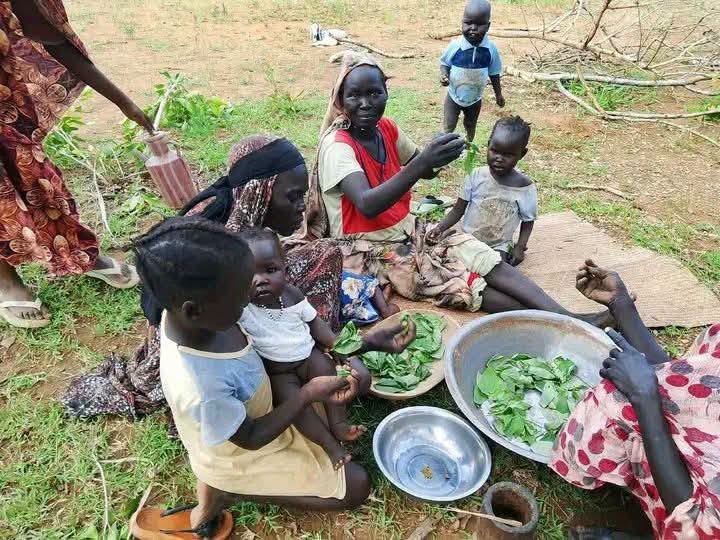
UNHCR reported overcrowding, inadequate shelter, limited water and sanitation services and weak management at some displacement sites, conditions it said were increasing protection risks for vulnerable groups.
Displaced families identified shelter, relief supplies, food, healthcare, safe water and sanitation as urgent needs, while specialized protection, referral and counselling services remained limited.
Women and girls reported a lack of privacy and insufficient sex-segregated toilets at displacement sites, increasing concerns about gender-based violence.
UNHCR also warned of growing risks of child labour as economically distressed families resort to negative coping strategies.
Loss of livelihoods and civil documentation was further restricting families’ access to food, services and humanitarian assistance.
The humanitarian situation was compounded by an October drone strike on a gathering of displaced people in Abu Shendi in Wad Al-Mahi.
UNHCR said more than 30 civilians, most of them women and children, were killed and dozens wounded.
The United Nations previously said preliminary information indicated that at least 31 civilians were killed. Local authorities and the Sudan Doctors Network blamed the Rapid Support Forces for the attack.
The RSF has not publicly acknowledged responsibility for the strike.
Despite access constraints, UNHCR said it and its partners distributed emergency shelter and relief supplies to about 2,200 displaced families in Wad Al-Mahi and Ar Rusayris during August, including tents, plastic sheeting, blankets, water containers, mosquito nets, solar lamps and kitchen equipment.
Between mid-August and early September, about 15,000 displaced people in Ar Rusayris, Ed Damazin and Wad Al-Mahi received protection monitoring, assistance or case-management services.
More than 7,800 children accessed safe spaces and psychosocial support, while specialized assistance and referrals were provided to 196 children considered at risk and 37 survivors of gender-based violence.
UNHCR and Sudan’s refugee authorities also recorded the arrival of 166 people from Ethiopia, representing 48 families, at Camp 6 in Wad Al-Mahi between July and September.
The agency called for a coordinated humanitarian response across sectors to address immediate needs and strengthen protection for displaced people and other vulnerable communities.


