
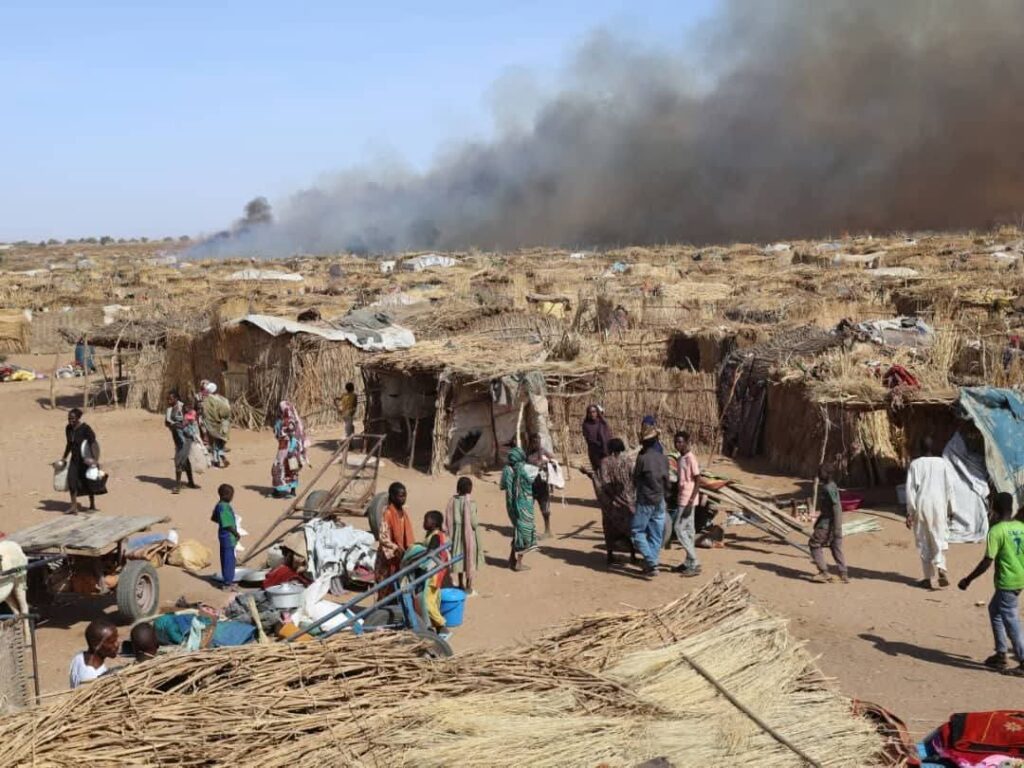
TAWILA, Sudan – The General Coordination of Camps for the Displaced and Refugees has warned of rapidly deteriorating humanitarian conditions in Sudan’s Darfur region, citing the spread of disease, worsening malnutrition and severe shortages of food, clean water and healthcare among millions of displaced people.
In a statement, the group said displacement camps and host communities were facing an escalating humanitarian and public health crisis, with malnutrition, infectious diseases, inadequate medical services and limited access to safe drinking water posing growing threats to civilians, particularly children and pregnant women.
The organization said thousands of children were suffering from severe malnutrition and weight loss, while pregnant women faced increasing risks during childbirth because of food shortages and the lack of adequate medical care.
It also reported outbreaks of malaria, acute diarrheal diseases and respiratory infections, attributing the spread of illness to shortages of medicines and the limited capacity of health facilities. The group said seven confirmed measles cases had been recorded between July 5 and July 25 in the Jebel Marra area and villages surrounding Golo, including two cases in South Darfur, three in Central Darfur and two in North Darfur.
The statement further warned of a cholera outbreak across parts of Darfur, adding that large numbers of cases had also been reported in areas of Kordofan. It said communication difficulties had prevented the collection of comprehensive data on the scale of the outbreak.
Darfur hosts one of the world’s largest displaced populations after more than three years of conflict between the Sudanese Armed Forces (SAF) and the Rapid Support Forces (RSF). Humanitarian agencies have repeatedly warned that insecurity, access restrictions and funding shortfalls have sharply reduced the delivery of food, healthcare and other essential services across the region.
The coordination body said deteriorating water and sanitation conditions, coupled with reliance on contaminated water sources, were accelerating the spread of disease and deepening the suffering of displaced families.
It also warned that prolonged hunger, disease, fear and displacement were causing severe psychological and social harm, particularly among children and young people who have been deprived of education and a safe living environment.
The United Nations has repeatedly warned that Sudan is facing one of the world’s largest humanitarian crises, with millions of people requiring emergency assistance and many areas remaining difficult to reach because of ongoing fighting.
The organization called on the United Nations, the African Union and humanitarian agencies to urgently provide food, medicines, clean drinking water and other essential assistance. It also urged the international community to ensure unhindered humanitarian access, protect displaced civilians from violence and support an independent international investigation into alleged violations that it said had contributed to the worsening humanitarian crisis.