
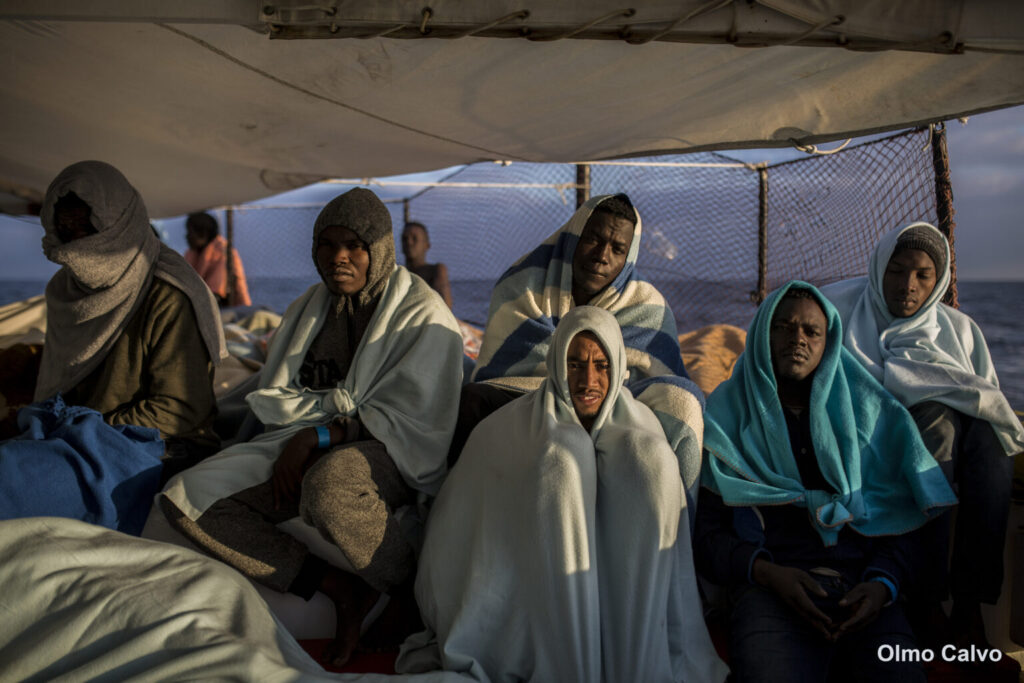
KHARTOUM – Most Sudanese migrants and refugees interviewed in Morocco said they fled Sudan because of war and insecurity, while many reported violence, robbery and detention during journeys that took an average of 16 months, according to a new migration study.
The Mixed Migration Centre (MMC) based its October 2026 analysis on 108 in-person interviews with Sudanese migrants and refugees conducted between March and July in Rabat, Tangier, Oujda and Agadir. The organization cautioned that the sample provides insights into migration experiences but is not statistically representative of all Sudanese migrants.
The survey found that 93% of respondents left Sudan because of armed conflict, generalized violence and insecurity, while economic reasons were cited by 35%. Seventeen percent mentioned lack of rights and freedoms, 16% environmental or natural-disaster factors and 14% persecution or targeted threats.
Nearly nine in 10 respondents were still living in Sudan when the war began on April 15, 2023, and 31% were displaced elsewhere inside Sudan before eventually leaving the country. All respondents said they felt they had no other option than to leave Sudan.
Few Had Access to Regular Migration Routes
The report found that regular migration pathways were largely inaccessible or unknown.
About 78% of respondents said they were unaware of any regular pathway when they left Sudan. Although 22% knew such options existed, only 8% attempted to use them and just 2% ultimately reached Morocco through a regular pathway.
Among barriers cited were failure to meet requirements, missing documentation, high costs and lengthy procedures.
The report’s summary said 98% of those surveyed were unable to access regular pathways while searching for safety.
Average Journey Lasted 16 Months
Sudanese respondents often spent months or even years moving through transit countries before reaching Morocco.
The average journey from Sudan to Morocco lasted 16 months, with 96% passing through Algeria and 78% through Libya. Others traveled through Chad, Niger, Egypt, Tunisia, Mali and Mauritania.
Fifteen percent said they had initially tried to settle in another country before continuing their journey.
Among those who moved onward, 85% said they had always intended to continue toward their eventual destination, while economic reasons, persecution targeting migrants and insecurity in transit countries also influenced decisions to keep moving.
Violence, Robbery and Detention Along the Route
The journeys exposed respondents to extensive protection risks.
Some 68% reported witnessing or personally experiencing physical violence, while 66% reported robbery and 50% detention.
Other reported experiences included non-physical violence, witnessing deaths, bribery or extortion, illness or injury caused by harsh conditions, kidnapping, sexual violence, trafficking and exploitation.
Respondents identified Algeria and Libya as the most dangerous countries on the route, with 56% citing each.
Despite the risks, 86% said they would still have undertaken the journey knowing what they now knew about the dangers.
The survey also found that 44% experienced detention specifically linked to measures targeting migrants, while 32% reported police raids, property seizures or other crackdowns.
Nearly half — 47% — identified state officials as perpetrators of abuse encountered during their journeys.
Most Still Plan to Move Beyond Morocco
Reaching Morocco did not necessarily mark the end of the journey.
The survey found that 66% intended to continue to another country, while 19% planned to remain in Morocco and 15% were undecided.
However, only 6% had made concrete preparations for onward travel, and just 8% expected to move to another country within the next three months.
Spain and the United Kingdom were each named by 18% of respondents as intended destinations, followed by Canada, other European destinations and France.
At the same time, 73% said they had no intention of returning to Sudan under any circumstances, while 25% said they could consider returning if conditions improved.
Basic Needs Remain Unmet in Morocco
Although many respondents may remain in Morocco for an extended period, significant humanitarian needs persist.
The study found that 79% were unable to meet their basic needs in Morocco, while 96% said they required some form of assistance.
Cash assistance was the most frequently cited need at 68%, followed by shelter at 56%, access to work at 51%, food at 45% and medical assistance at 40%.
Other needs included clothing, legal assistance, water, resettlement support, psychological services, washing facilities and education or training.
The report said 79% of respondents had international protection in Morocco, either as asylum-seekers or recognized refugees, while another 13% intended to apply for asylum.
Nearly a quarter were still carrying debt related to their journeys at the time they were interviewed.
The survey population was predominantly young and male: 89% were men and 92% were between 18 and 34 years old. Only 6% were traveling with children.
Many respondents originated from areas heavily affected by Sudan’s war, including Khartoum, Al Jazirah and Darfur.


