KHARTOUM – The United Arab Emirates has not been held accountable for military support to the Rapid Support Forces despite evidence linking that support to operations in Sudan and the atrocities surrounding the fall of El Fasher, Human Rights Watch’s Horn of Africa director Laetitia Bader said.
Marking one year since the RSF captured the North Darfur capital, Bader said governments failed to prevent the atrocities and have yet to take sufficient action to hold those responsible — or those enabling the conflict — accountable.
The UAE has repeatedly denied allegations that it provides military support to the RSF.
In an opinion article titled “Sudan: One Year on from the Cataclysm of El Fasher,” Bader said the city’s fall on Oct. 26, 2025, followed an 18-month siege during which civilians endured hunger, bombardment and severe restrictions on movement and humanitarian assistance.
One resident who later returned to El Fasher described the destruction as if “a tsunami had hit the city.”
The U.N. Human Rights Office has estimated that more than 6,000 people were killed during three days of the RSF’s final assault on El Fasher.
Human rights investigations have since documented mass killings, sexual violence, abductions, arbitrary detention and other abuses committed during and after the takeover.
Colombian Contractors and UAE Links
Bader highlighted the role of Colombian private military contractors who Human Rights Watch says were deployed alongside the RSF during the battle for El Fasher.
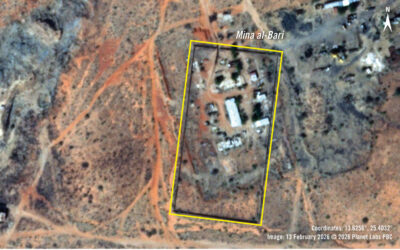
The organization previously found evidence that Colombian contractors had trained at military facilities in the UAE before deploying to Sudan, where they operated drones and artillery alongside RSF forces.
Human Rights Watch said survivor accounts placed foreign contractors near locations where some of the worst abuses occurred during the fall of El Fasher.
The organization has previously reported that hundreds of Colombian former soldiers appeared to have been recruited through a network involving Global Security Services Group, an Abu Dhabi-based security company.
Human Rights Watch said contractors transited through UAE military facilities before reaching Sudan and that some received training from Emirati personnel.
The organization has argued that the findings form part of a broader body of evidence indicating UAE military support for the RSF.
Abu Dhabi has consistently rejected accusations that it supplies weapons or military support to the paramilitary force.
Bader said Global Security Services Group, which Human Rights Watch believes was involved in hiring Colombian fighters, has not faced sanctions over its alleged role.
She also said the UAE had not been held accountable for military support that Human Rights Watch argues violates the U.N. arms embargo on Darfur.
Siege, Hunger and Abductions for Ransom
During the final months of the siege, the RSF dug a trench around El Fasher, restricting movement into and out of the city.
Bader said civilians became so desperate for food that some survived on animal fodder until those supplies also ran out.
Drone attacks intensified during the closing weeks of the siege, targeting Sudanese army troops and allied armed groups while civilians remained trapped in an increasingly confined area.
Human Rights Watch said RSF fighters committed widespread sexual violence against women and girls and operated an extensive abduction-for-ransom system.
People unable to pay were reportedly killed, while thousands of civilians may still be held in RSF detention sites.
The U.N. Independent International Fact-Finding Mission for Sudan has said the RSF campaign in El Fasher bore “hallmarks of genocide.”
Human Rights Watch has separately documented crimes against humanity and ethnic cleansing during the RSF campaign to seize the city.
Pressure for Wider Arms Embargo
Bader also criticized what she described as limited international accountability for senior RSF leaders.
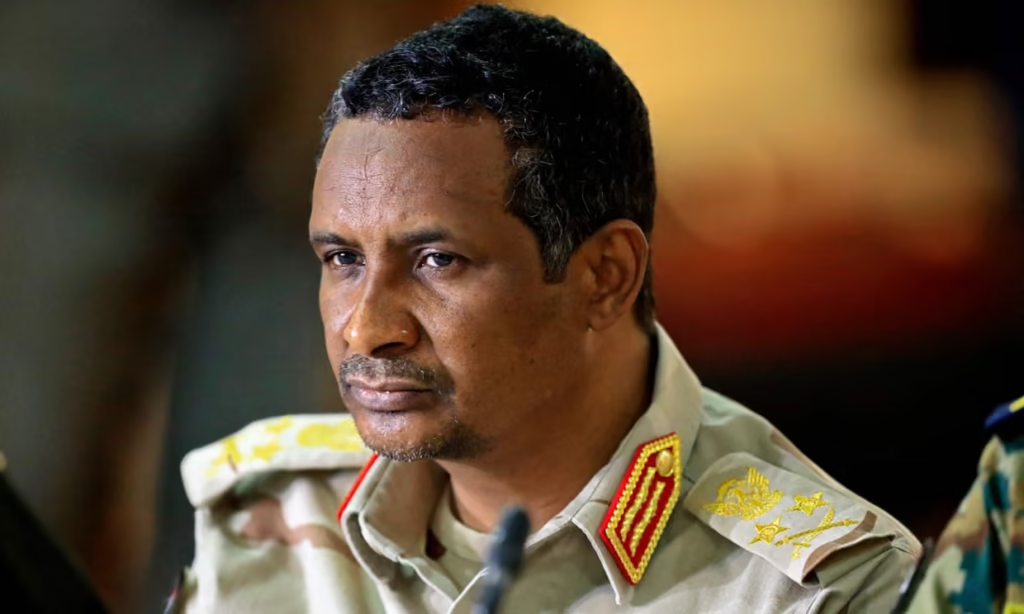
She noted that RSF commander Mohamed Hamdan Dagalo, known as Hemedti, has faced sanctions from the United States but has not been subjected to comparable measures by many other governments.
The United States has also pushed at the U.N. Security Council for the existing Darfur arms embargo to be expanded across Sudan.
The current U.N. arms embargo applies to Darfur rather than the entire country, despite the conflict between the Sudanese Armed Forces and RSF having spread across much of Sudan since April 2023.
Bader said governments that formed the Coalition on Atrocity Prevention and Justice for Sudan after the fall of El Fasher now face a test of whether they will translate commitments into measures that protect civilians and deliver accountability.
Her comments came as the coalition separately marked the first anniversary of the El Fasher atrocities by calling on states to stop arming, financing or otherwise enabling Sudan’s war.
Human Rights Watch said the atrocities in El Fasher were preventable and called for stronger measures to protect civilians, prevent further mass abuses and hold perpetrators and those supporting them accountable.