
KHARTOUM – The Emergency Lawyers Group warned that a worsening water crisis in Darfur and Kordofan could turn into a wider disaster of thirst, hunger and disease as war, damaged infrastructure and poor rainfall reduce access to safe water.
In a statement on August 29, the group said the crisis has been driven by the combined effects of military operations, a sharp decline in rainfall, reduced groundwater recharge and falling water levels in wells, hafirs and seasonal sources used by civilians and livestock.
It said water systems have also been damaged by attacks and sabotage affecting dams, reservoirs and water stations, as well as solar panels and energy systems used to operate pumps.
The group also said water trucks have been targeted or obstructed, while restrictions on civilian movement and access to food, water and humanitarian aid have made it even harder for communities to meet basic needs.
The warning comes as Sudan’s war, which erupted in April 2023 between the Sudanese Armed Forces (SAF) and the Rapid Support Forces (RSF), continues to devastate civilian infrastructure across Darfur and Kordofan. Both regions have seen repeated fighting, displacement, looting, attacks on villages and the collapse of basic services.
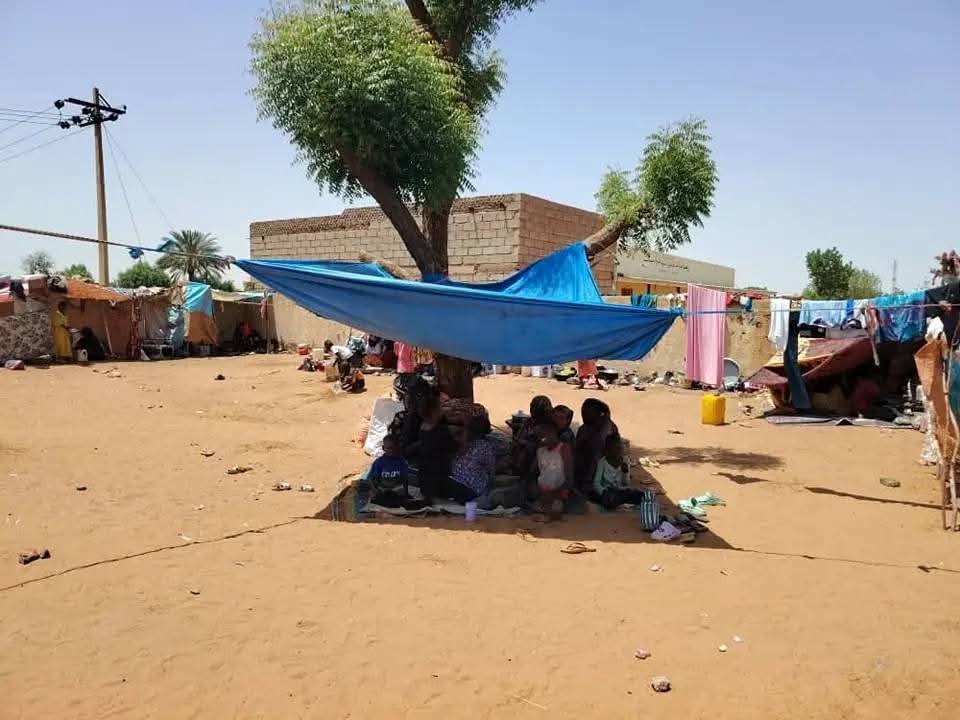
The Emergency Lawyers Group said available water quantities have declined, wells have become less productive and water prices have risen. In some areas, residents have been forced to rely on unsafe or contaminated sources, increasing the risk of waterborne diseases and outbreaks amid weak health services.
The crisis is not limited to drinking water, the group said. Water scarcity is also threatening agriculture, livestock and livelihoods, raising the risk of deeper food insecurity and further displacement.
Darfur and Kordofan are already among the areas most affected by Sudan’s conflict. Millions of civilians depend on local water sources, seasonal rainfall, livestock and small-scale farming, while aid access remains restricted by insecurity, damaged roads, bureaucratic barriers and funding shortages.
The group said water infrastructure, including dams, reservoirs, pumping stations and the power sources needed to operate them, are civilian objects essential to the survival of the population and must not be targeted or used as tools of pressure against civilians.
It warned that depriving civilians of water or destroying water sources to pressure them or force displacement amounts to using survival needs as a method of warfare.
The Emergency Lawyers Group called on all parties to the conflict to immediately stop targeting water sources, dams, reservoirs, pumping stations and energy systems, and to protect and repair damaged facilities.
It also urged emergency plans to provide safe water for civilians and livestock, end obstruction of water trucks, test and treat contaminated water sources, and remove restrictions on the movement of food, water and humanitarian supplies.
The group called for safe, rapid and unhindered humanitarian access, stronger support for the most affected areas, protection of agricultural production and livestock, and investigations into attacks and sabotage affecting water facilities.
It said the scale of the crisis requires urgent intervention by the United Nations, humanitarian organizations and the international community to provide safe water, repair infrastructure and prevent water from becoming another weapon of pressure, displacement and survival in the war.