
KHARTOUM – Sudan’s State Minister at the Ministry of Human Resources and Social Welfare, Salima Sharif, said families of the disappeared have a lasting right to know the fate of their loved ones, as Sudanese rights advocates warned that women and girls remain among those most affected by enforced disappearance during the war.
In a statement marking the International Day of the Victims of Enforced Disappearances, Sharif said the missing should not be treated as numbers in reports or statistics, stressing that “behind every number is a human being, and behind every human being is a family waiting.”
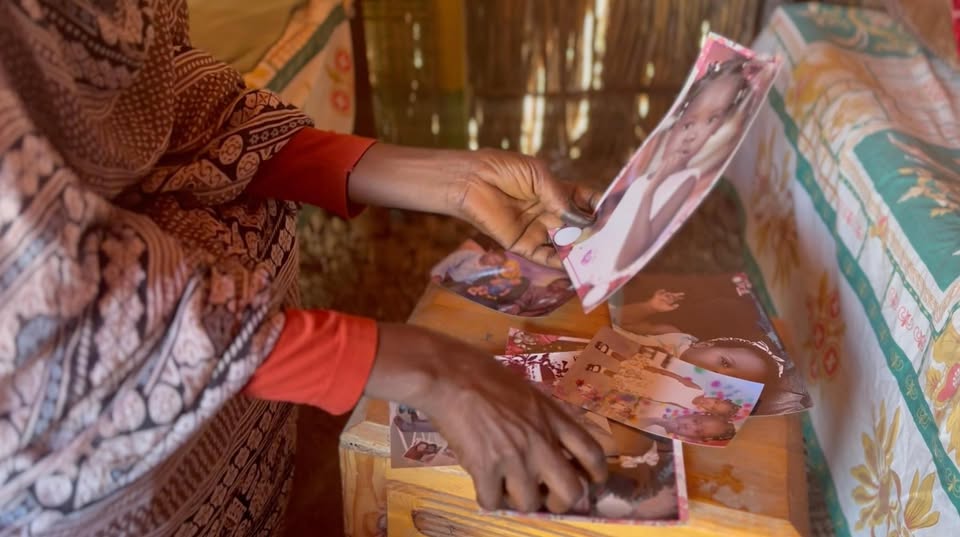
She said enforced disappearance leaves mothers, fathers, spouses, children, siblings and friends trapped between hope and grief, unsure whether to mourn the missing or continue waiting for their return.
“The missing person is not a number,” Sharif said. “He is a life, memories, a face, a voice, and a place in a home, a family and a community.”
Sharif said the pain of enforced disappearance does not stop with the person who has disappeared, but extends to families left suspended between hope and loss.
She said the ministry, together with government partners and civil society, would work to ensure that the issue of missing persons and their families remains part of civilian protection efforts.
Those efforts, she said, include supporting the documentation and registration of cases, strengthening search and identification mechanisms, providing safe reporting and follow-up channels, and offering psychosocial support to affected families.
“The family’s right to know the fate of its loved ones is a human right that does not expire with time,” Sharif said.
Her statement came as the Siham Network, a Sudanese women’s rights group, used the same occasion to draw attention to Sudanese women and girls who remain missing, detained or hidden amid the ongoing war.
The network said many Sudanese women and girls remain unaccounted for, including those missing between armed groups, those held in unknown detention sites and those it said were hidden in camps linked to exploitation and enslavement.
The group said the issue is particularly acute in Darfur, South Kordofan and the Nuba Mountains, where conflict, displacement and the collapse of protection systems have left women and girls at heightened risk.
“On this day, it is necessary to acknowledge the scale of the crime committed against women and girls in Sudan,” the network said.
It called for action to reveal the fate of missing women and girls, support survivors and free those it said remain trapped under shame, stigma and social pressure.
Sudan’s war, which erupted in April 2023 between the Sudanese Armed Forces (SAF) and the Rapid Support Forces (RSF), has been accompanied by widespread reports of disappearances, arbitrary detention, sexual violence, family separation and abuses against civilians across several regions.
Rights groups have repeatedly warned that stigma, fear of retaliation and insecurity prevent many families from reporting disappearances, abductions or sexual violence, especially in areas where armed groups control movement and access to protection services remains limited.
The International Day of the Victims of Enforced Disappearances is observed annually on August 30 to raise awareness of people who have disappeared through arrest, detention, abduction or other forms of deprivation of liberty without acknowledgment of their fate or whereabouts.